Wednesday, August 02, 2006

Archive revisited


Nikon Coolpix 880 + Kowa TSN-821 + 32xW LER
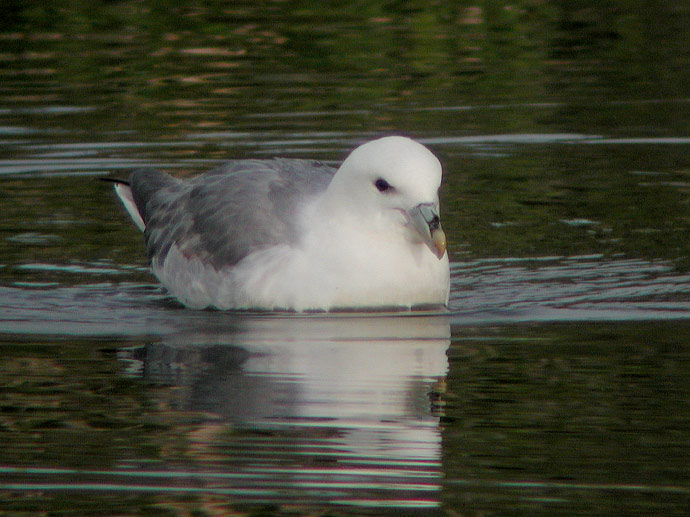
I've just been going through some of my old photos and found this picture of a Fulmar that was found near Langtoft on May 15 2005. Seeing as it is now August 2006, it could hardly be a less appropriate time to put it up again. So here goes.
I remember I went to see it feeling like death warmed up (I call it flu, which sadly ruined my enjoyment of the lovely wedding day of my friends Roger and Rebecca), and the bird appeared not to be feeling much better. The next day it was still alive and I saw it struggling onto the bank of the small lake it was on. But I doubt whether such a vulnerable, weak bird would have survived much longer – it could hardly walk and I doubt it could fly. Moribund I believe is the key word here...

Tuesday, August 01, 2006

South African mammals etc


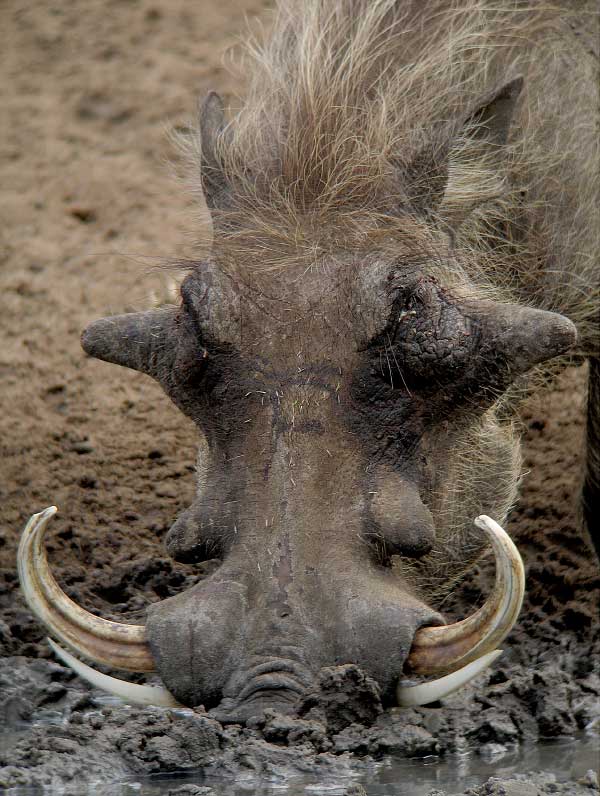
Warthogs


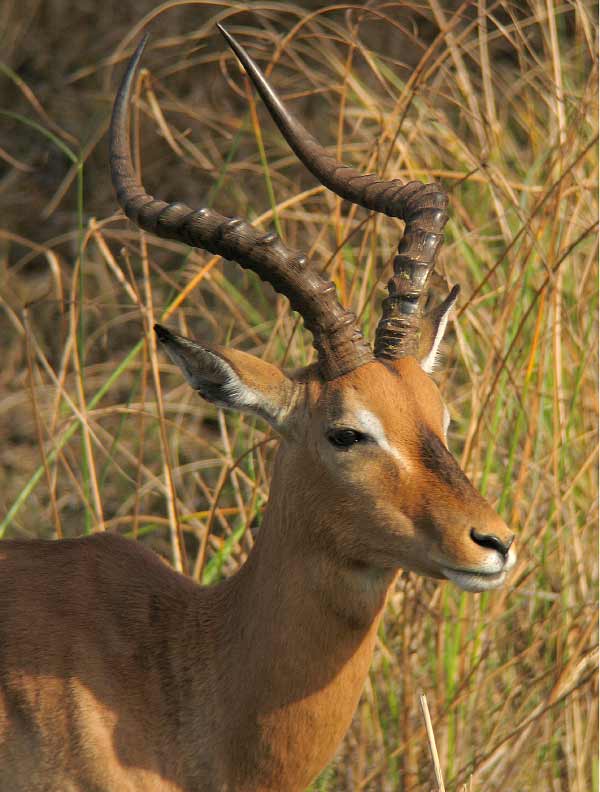
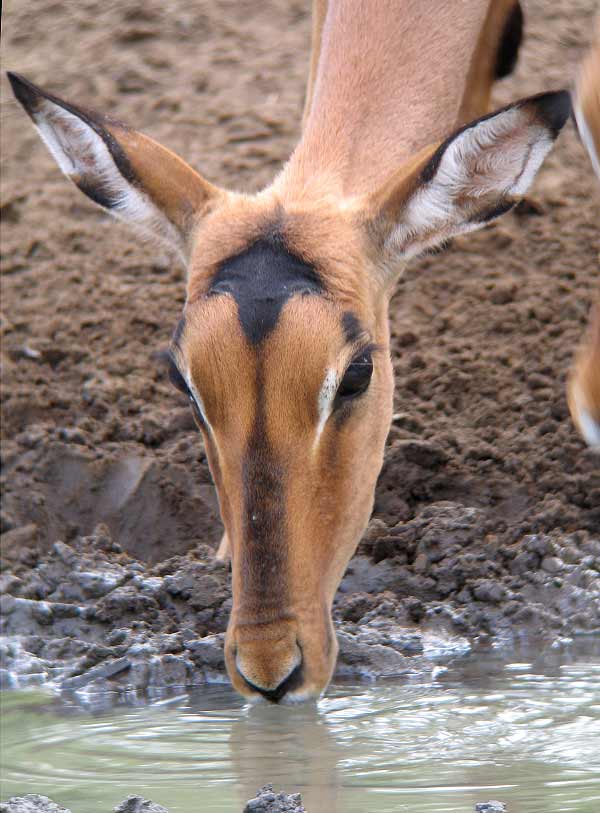
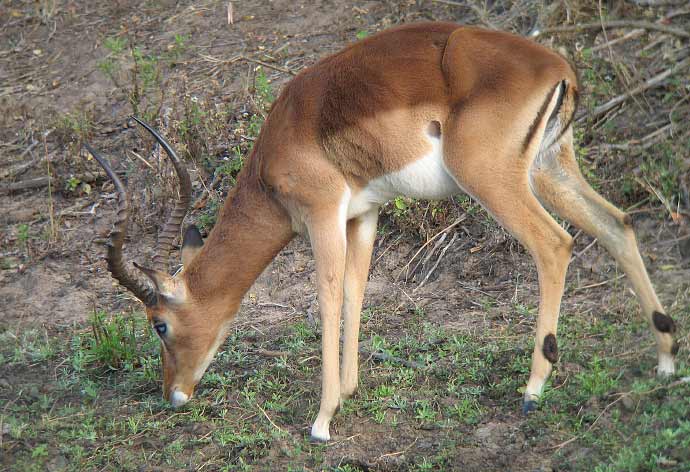
Impala

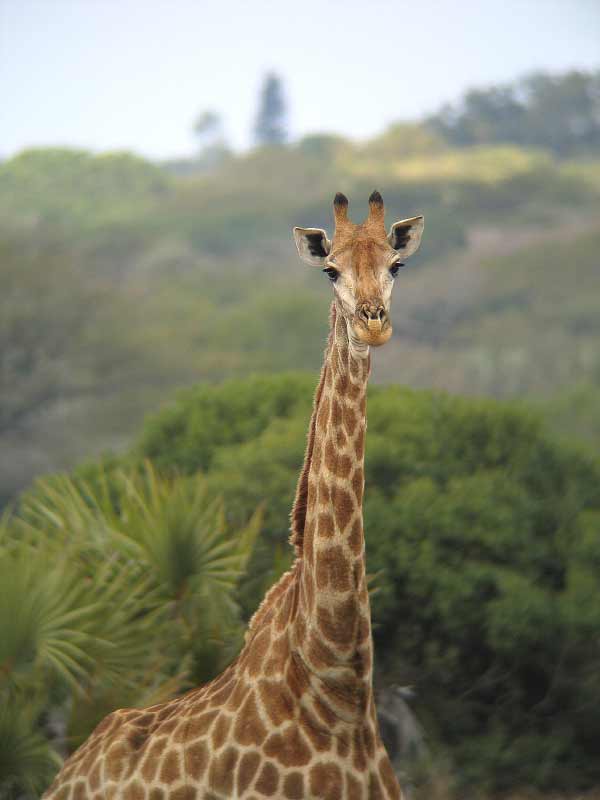
Giraffe

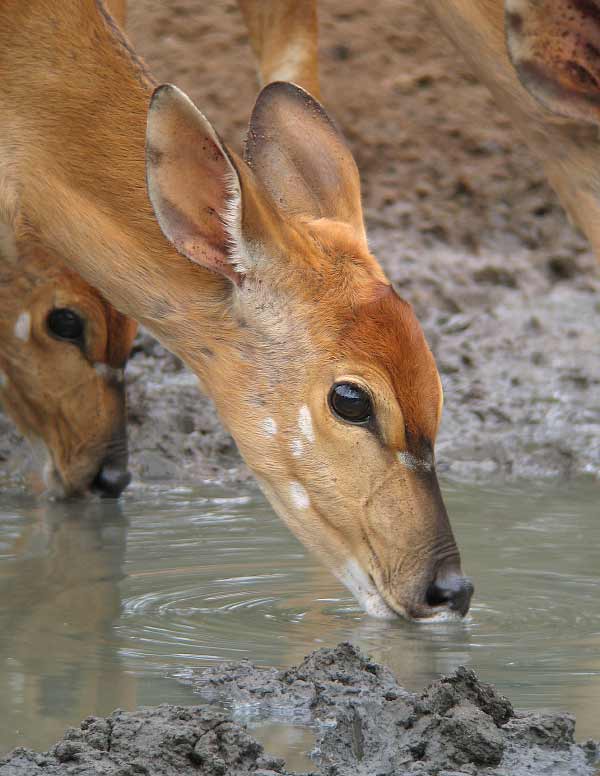
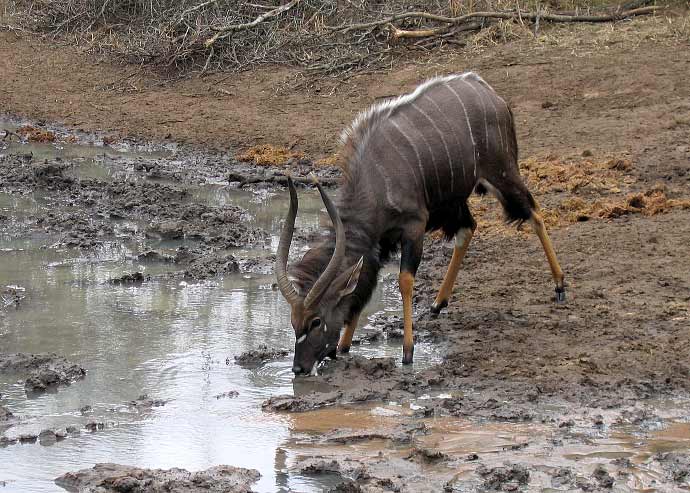
Nyala

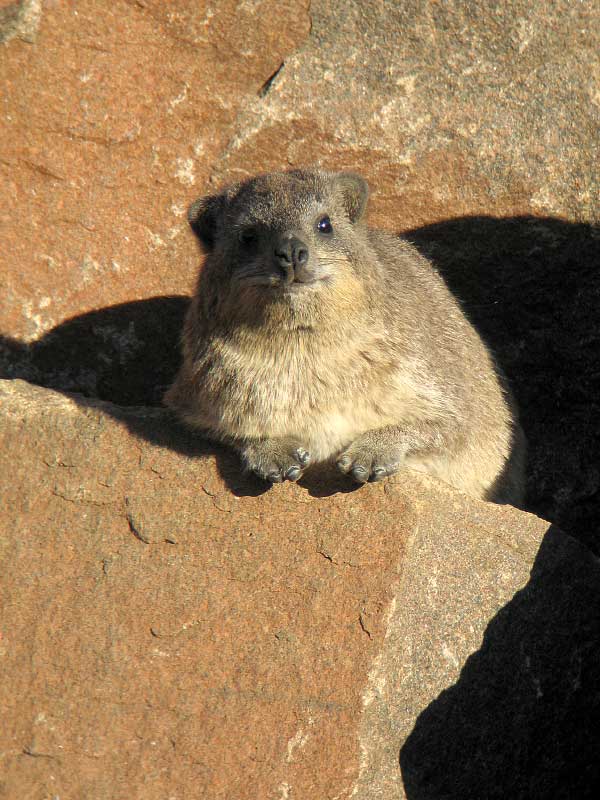
Rock Hyrax

Vervet Monkey

Burchell's Zebra


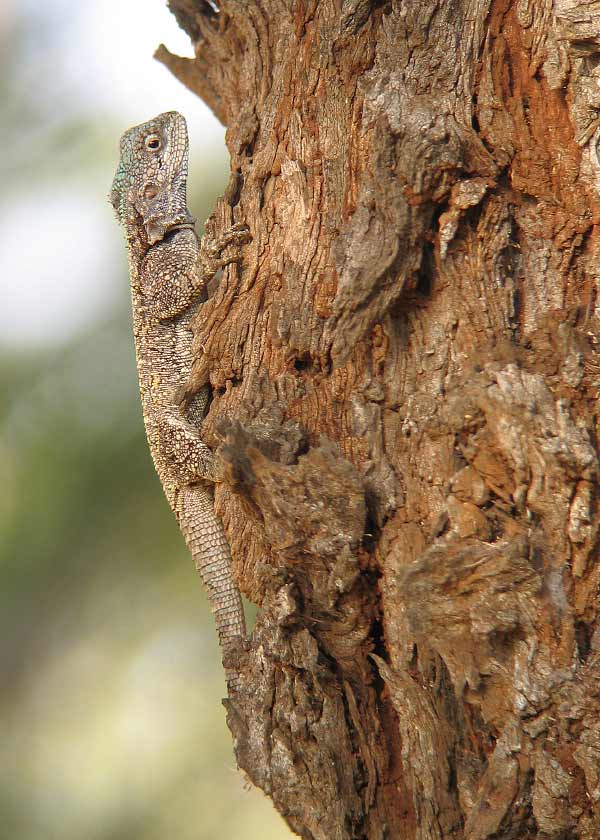
Agamid

Giraffe

Impala


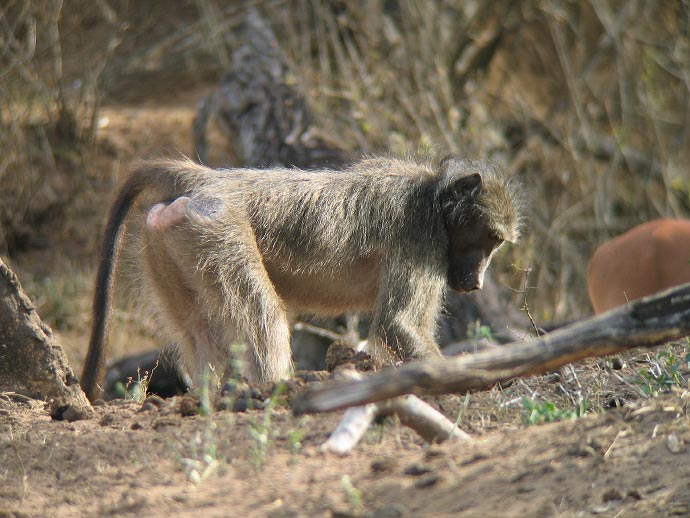
Chacma Baboon

Nyala

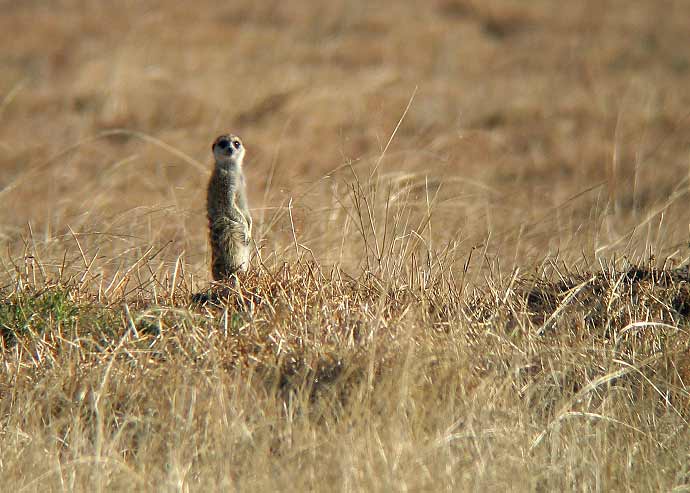
Meerkat (Suricate)


Nyala


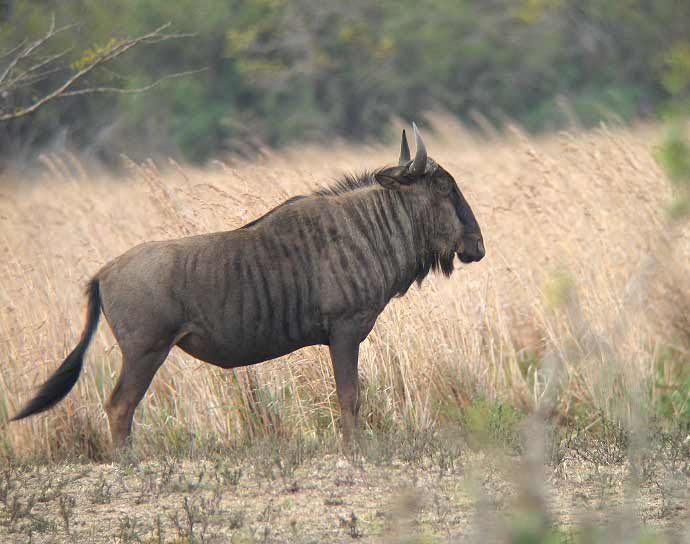
Wildebeest

Hippopotamus

Vervet Monkey

Rock Hyrax

Nyala and Impala

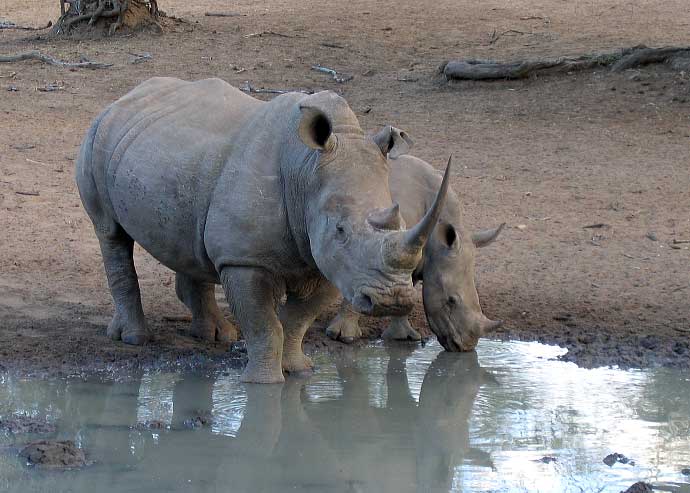
White Rhinos

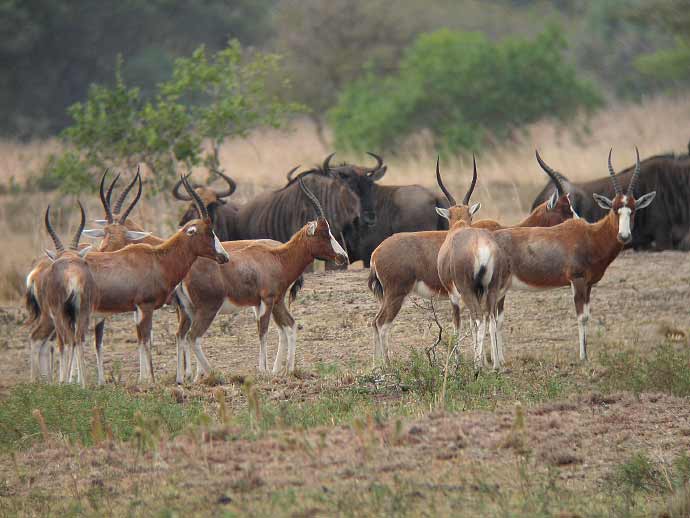
Blesbok

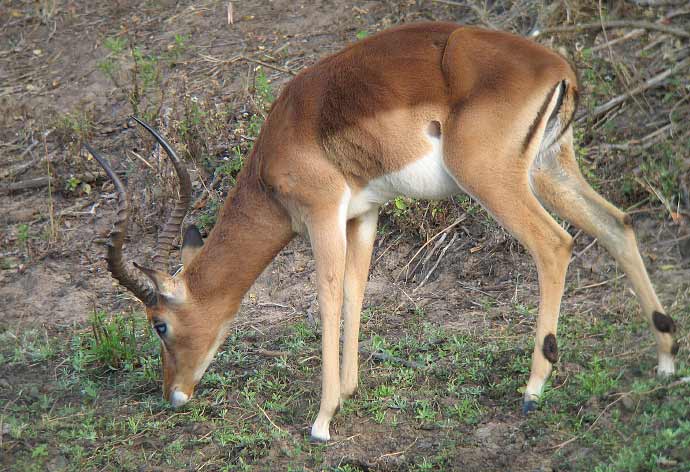
Impala

Warthog

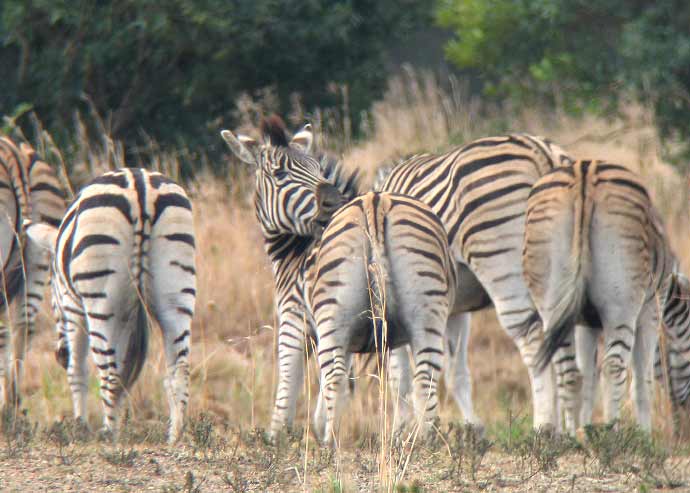
Burchell's Zebra

Rock Hyrax
As usual, click for bigger images
Canon Powershot A95, Kowa TSN-823 + 32xWLER

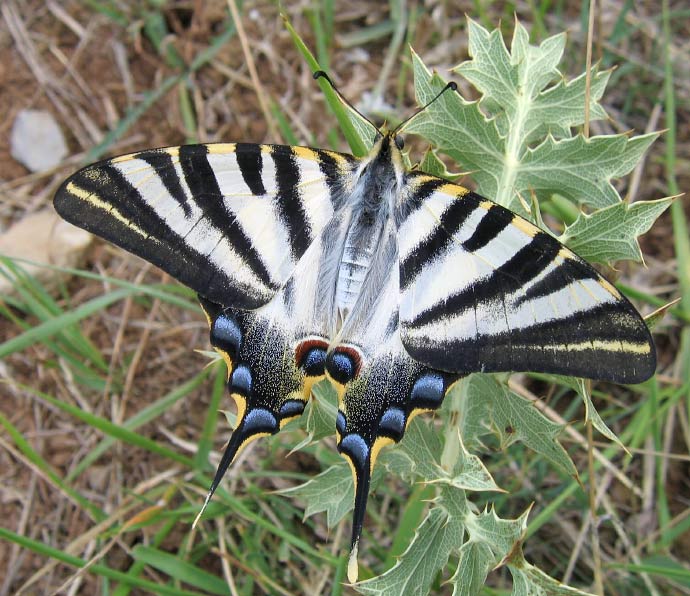
Scarce Swallowtail


Scarce Swallowtail, Santurtzi, Spain, 26.7.06
Canon Powershot A95

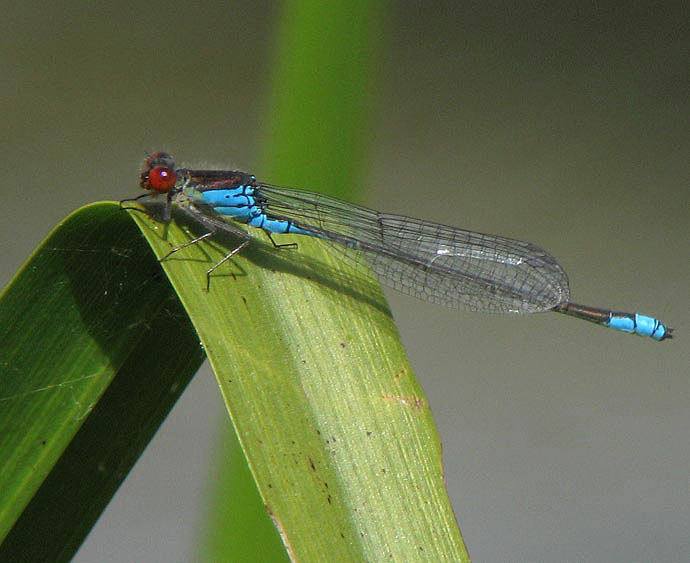
Small Red-eyed Damselfly


(Canon Powershot A95, Kowa TSN-823 + 32xWLER)


Small Red-eyed Damselfly, Boathouse, Peterborough Rowing Lake, Cambs, 31.7.06
Canon Powershot A95

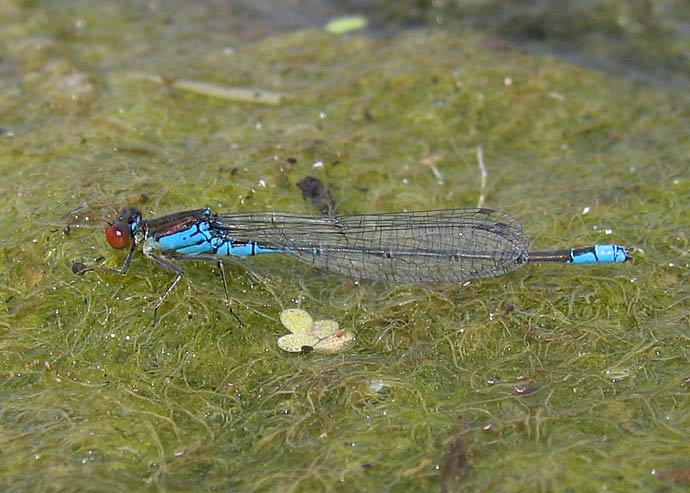
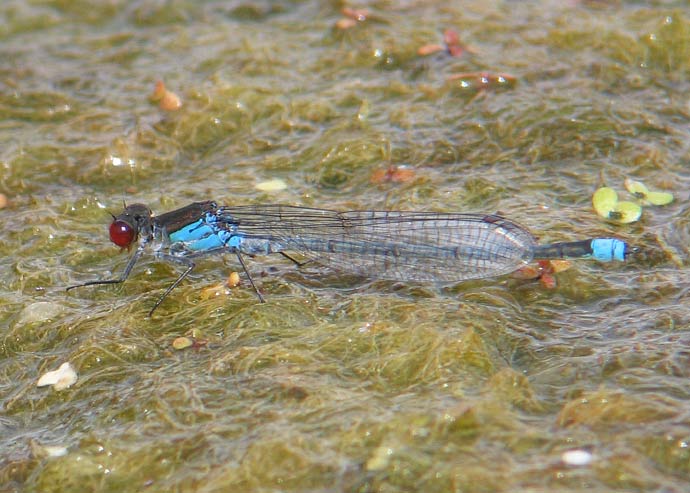
Red-eyed Damselfly, Boathouse, Peterborough Rowing Lake, Cambs, 31.7.06
Canon Powershot A95
A new species for me, the population of this small version of the Red-eyed Damselfly is rapidly spreading northwards through the country. This population on the 'orrible weed on the surface of this loop of water was found by Brian The Natural Stone a few days ago, with his usual nose for sniffing out a 'find'. With a little knowledge, they were very easy to pick out from their larger cousins (also present there in good numbers). The best characters were small size (easiest when both species are presence); the extent of blue in segment 8 of the abdomen (ie near the tip, the blue comes well up the sides, while on Red-eyed it is only in the lower half [not well illustrated in my books]); the more orange colour of the eye (blood red in Red-eyed); more blue on the early abdomenal segments.

White-letter Hairstreak


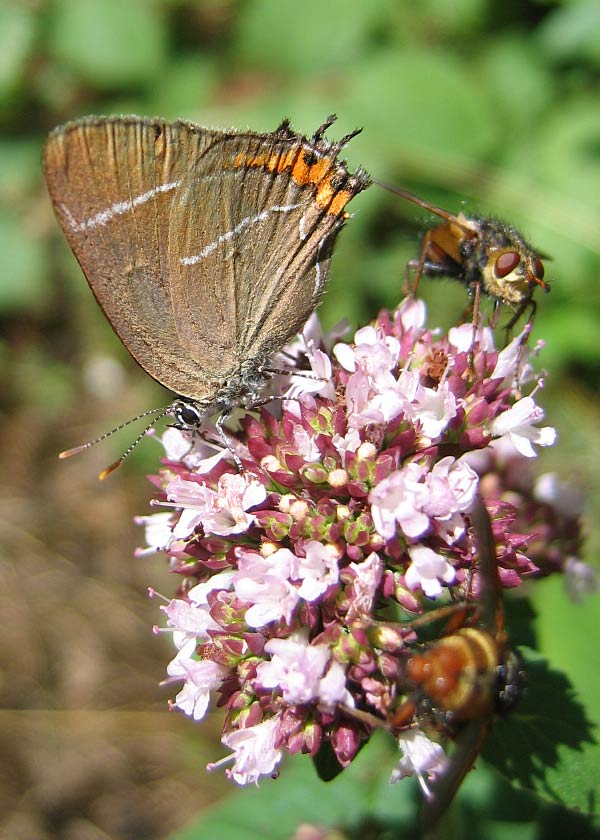
White-letter Hairstreaks, Bedford Purlieus, Cambs, 30.7.06
I took my family butterfly-watching at Bedford P on Sunday. As we turned into the main track a Red Kite apepared. I stopped to look at it and six more rose up. It is brilliant being able to show a 4-year-old and a 7-year-old such brilliant birds on our doorstep without using bins. Later, we also saw three Buzzards circling up with the Black-headed Gulls. Along the track there were literally thousands of Migrant Hawkers and the whole area was buzzing with insects (at least when it was warm). We bumped into Tony Parker who put us onto a path lined with White-letter Hairstreaks, mainly nectaring on a sort of mint or on brambles. All were highly approachable and so readily photographable. These two were my best shots.

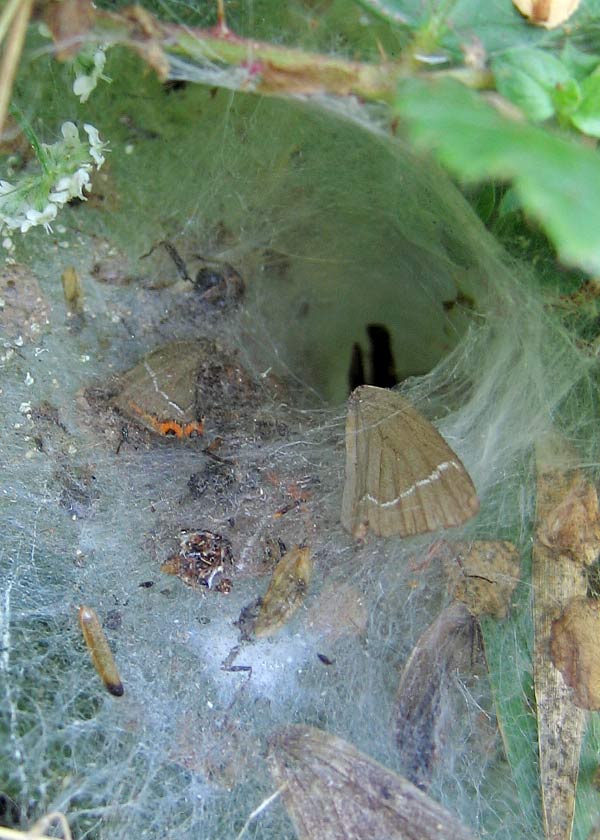
The most exciting sight though was when one of the hairstreaks flew off its flower and briefly landed on the platform of a spider's web. Instantly, the spider pounced and dragged it down into its 'tunnel'. In this shot you can see the dark wings of the victim poking out of the tunnel entrance – plus the wings of several previous hairstreak meals...
Canon Powershot A95

Monday, July 31, 2006

Green Woody


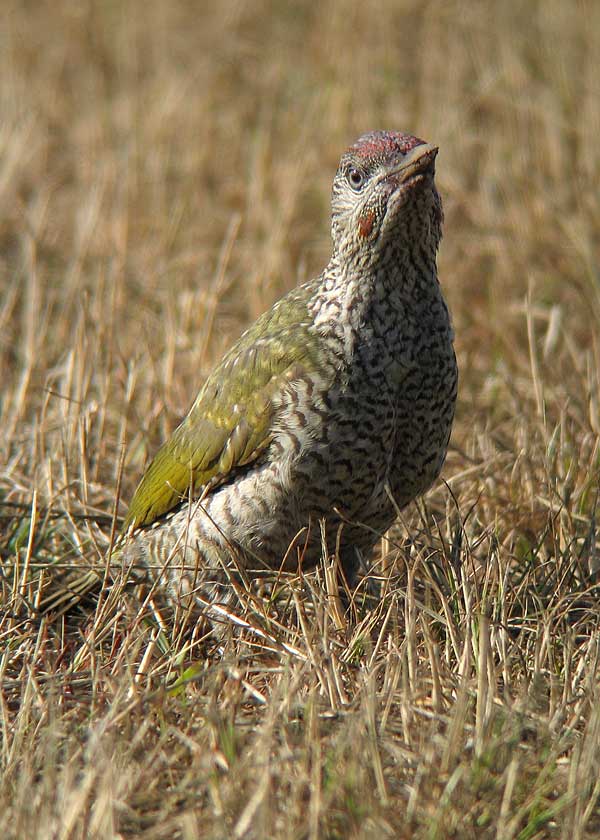
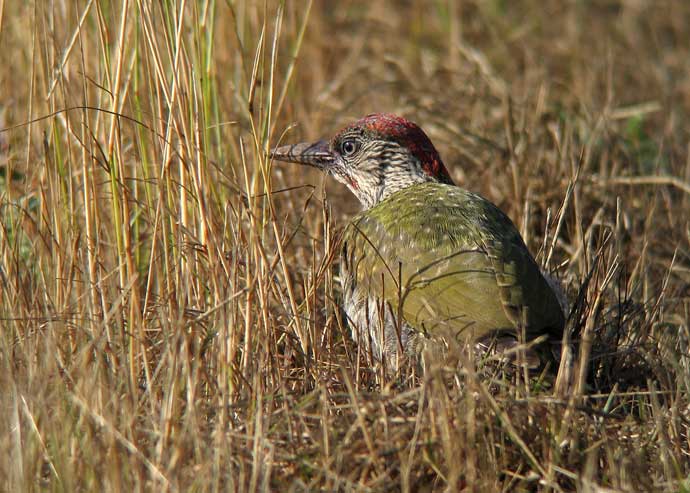
Juvenile Green Woodpecker, Prior's Fen, Cambridgeshire, 23.7.06. I've been trying to photograph Green Woodepckers for what seems like ages, now. But they are crafty and shy and, presumably as they spend so long on the ground (feeding on ants) they are very aware of their vulnerability. So, if you get close, they see you before you see them and they're off. So it appeared when I was wanderign aroudn Prior's Fen the other week, with a juvenile yaffling off, sore-throated into the nearby willows. However, it left one of its siblings behind on the deck, and it simply ignored me and kept digging away for ants as it got closer and closer. These are the shots I got, as I tried to not move a muscle while constantly refocusing the scope...
Canon Powershot A95, Kowa TSN-823 + 32xWLER

Friday, July 21, 2006

South African Birds T-W


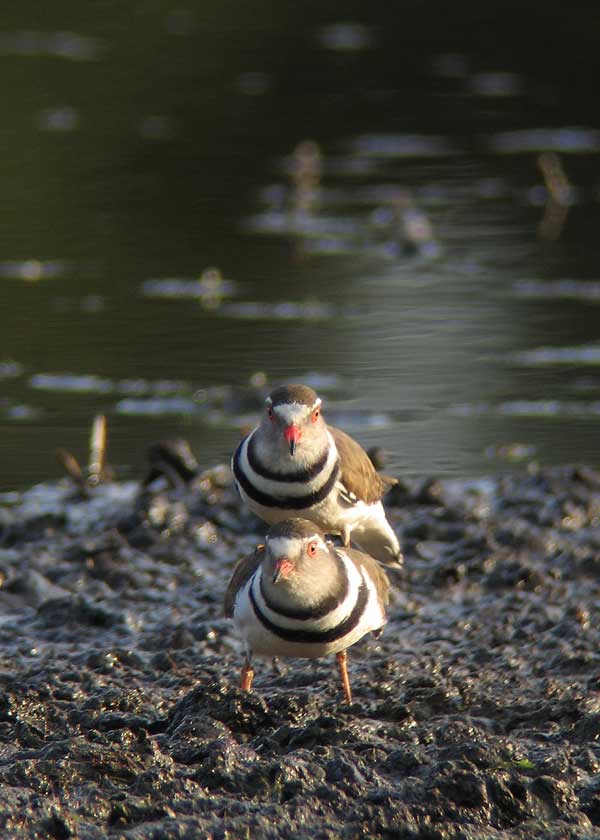
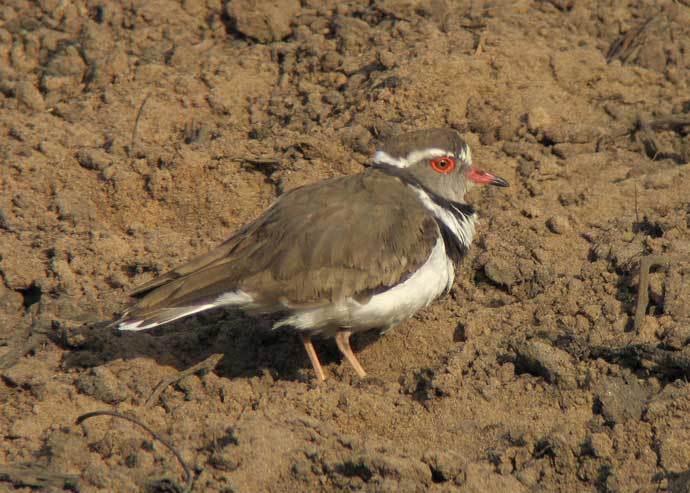
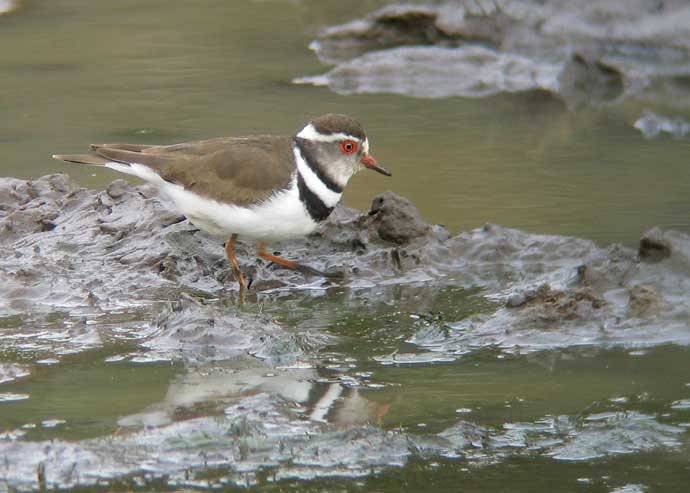
Three-banded Plover

Water Dikkop

Trumpeter Hornbill


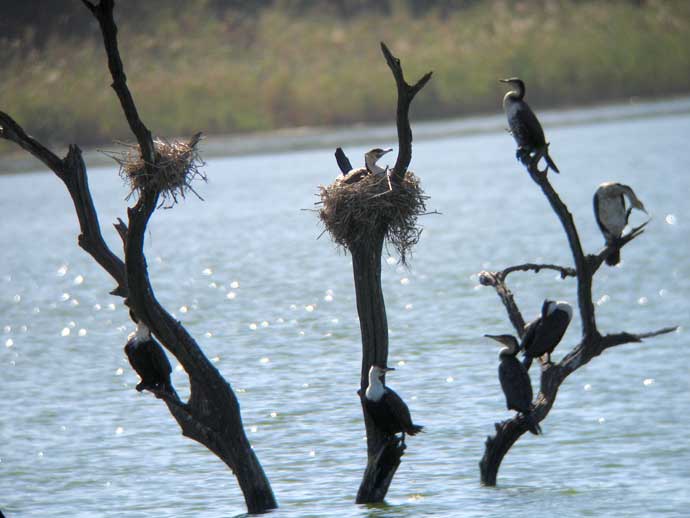
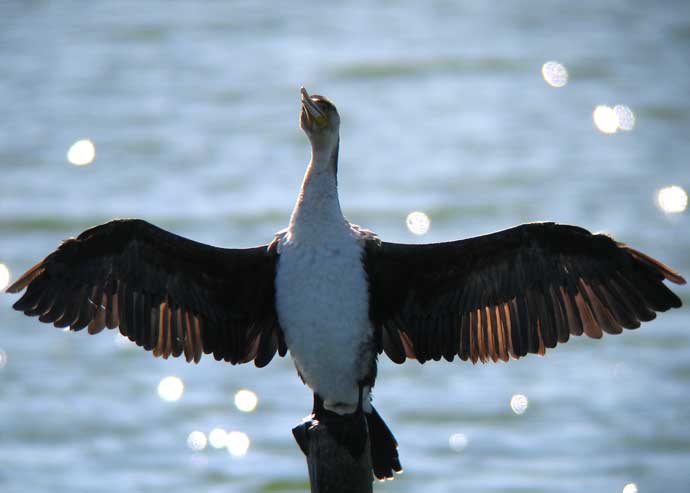
White-breasted Cormorant


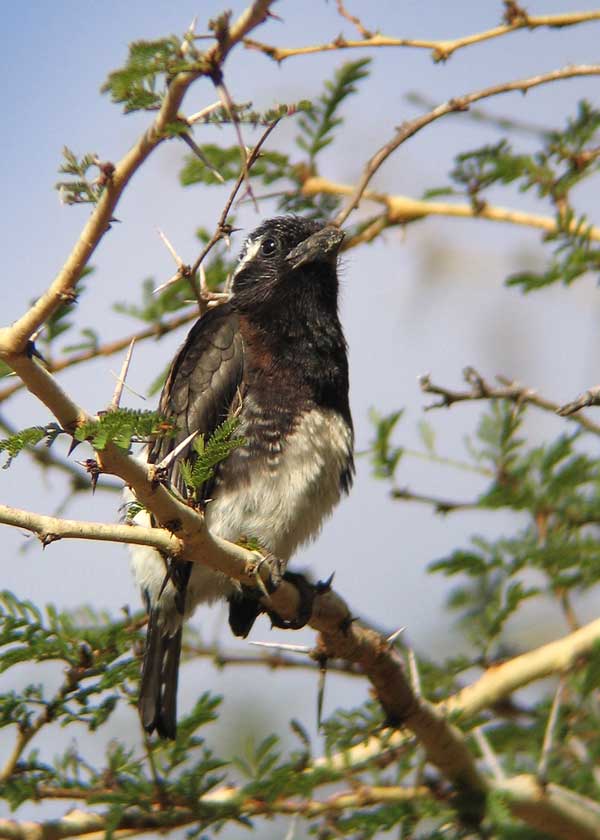
White-eared Barbet

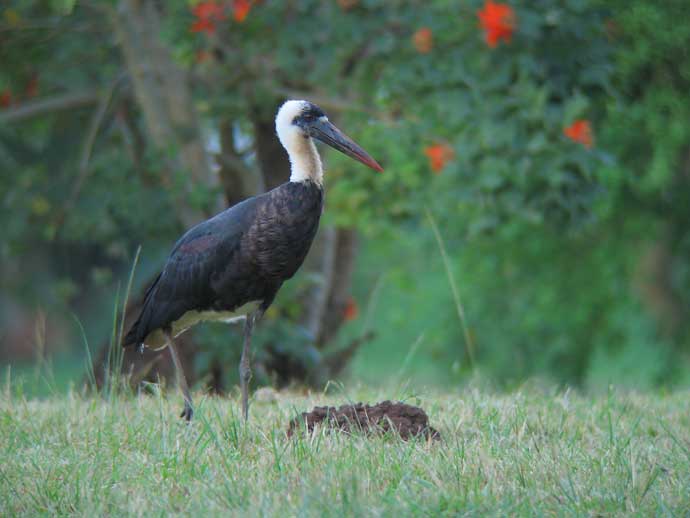
Woolly-necked Stork
As usual, click for bigger images
Canon Powershot A95, Kowa TSN-823 + 32xWLER