Tuesday, July 12, 2011

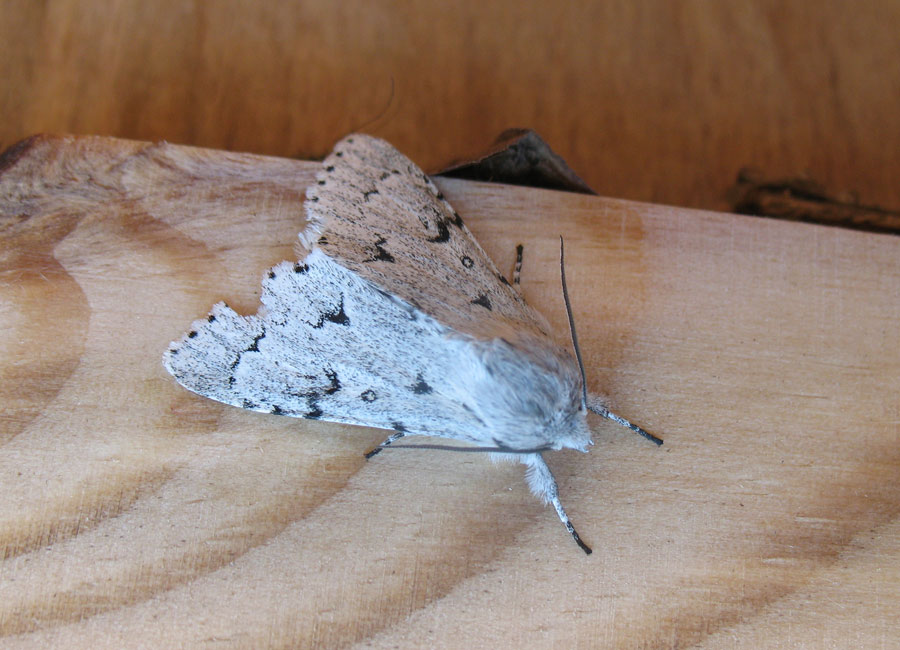
Toadflax Brocades


The brighter of the two individuals


The less bright individual
Last year, I caught the first Toadflax Brocade for VC32 (Peterborough and Northamptonshire) on 15.8.10. Last night I caught two of the little beauties! When I caught my first it was also new to Cambridgeshire (though in a different vice-county). However, another Cambs garden has turned up caterpillars and this year also adults. Are my moths migrants or is there a local population?

Saturday, July 09, 2011

White Satin


White Satin Moth (a 'Local' species)


Swallow Prominent

Phtheochroa rugosana
Three more new moths for the garden

Friday, July 08, 2011

Lovely moths


Small Emeralds

Early Thorn, with Fan-foot

Three Dot Moths...

Privet Hawkmoth

Pebble Prominent

Broad-bordered Yellow Underwing

The Snout

Brown-line Bright-eye

Sycamore

Small Ranunculus
Of some 60-odd species of moth trapped last night, 6 macros were new for the garden: Small Emerald (a local species), Early Thorn, Privet Hawkmoth (probably the largest moth I will ever get), Brown-line Bright-eye, Dot Moth and The Snout.

Bling!


Eddie displays Brown Hawker, Privet Hawkmoth and Poplar Hawkmoth!

Thursday, July 07, 2011

Large Twin-spot Carpet


Despite the cool weather with some rain, I ran both moth traps last night. The highlight sof the 30-odd species were a Pebbel prominent and this new macro for the garden. It is reagrded nationally as 'Local', but in these parts is fairly common, apparently.

Wednesday, July 06, 2011

Some more new moths


Poplar Hawk-moth, one of the great moths

Cabbage Moth

Peppered Moth

Dusky Sallow

Common White Wave

The Miller

Light Arches


Common Emerald

Grey/Dark Dagger (only distinguishable by close examination)

Dwarf Cream Wave

Two Waves: Riband and Dwarf Cream

The Clay

Dark form of Dark Arches
I had my first run out with my new 125W MV Skinner trap two nights ago, and ran it in parallel with my stalwart 40W actinic Skinner. The results were dramatic, with ten new macros for my garden list, out of 60 species and a few hundred specimens (eg 79 Uncertains and 40 odd Dark Arches, including the dark form above).
I'm going to go for it again tonight, despite the threat of a light showers, so have built a rudimentary rain guard for the MV bulb. Watch this space for the results...

Monday, July 04, 2011

Some recent garden moths

Here are are some of the micro moths I have added to the Weedonian garden list, in the last few days. The total list has now grown by 100 species in 2011, but I'd like another 100 or so by the end of summer, please. Perhaps my newly arrived trap with 125W MV bulb may help...

Orthopygia glaucinalis

Batia lunaris

Ypsolopha scabrella


Possibly Recurvaria nanella, which may be only the second record for VC32 after one in 1944 (watch this space for confirmation). STOP PRESS: confirmed as the second record for VC32 by recorder David Manning.

Udea prunalis


Honeysuckle Moth, a lovely micro, with split wing-tips like a whale's tail; the hammertail moth as Eddie calls it

Friday, July 01, 2011

Tyrannosaurus Chorus

My father, Barry Weedon, writted the following poem, called

Tyrannosaurus Chorus

The good old Stone Age cave-man
Was undoubtedly a brave man,
With a life-style that would make us nervous wrecks:
Armed only with a spear,
He showed Smilodon no fear –
But he never faced Tyrannosaurus Rex.

From Triassic to Cretaceous
Smaller reptiles ate herbaceous
Plants, but tall trees suited those with longer necks –
Like the giant Diplodocus –
But Cretaceous beasts were focus
For the hunger of Tyrannosaurus Rex.

The huge Quet-zal-co-at-lus
Was pretty good in battle, as
His toothless beak could give some nasty pecks.
Though he didn’t have a feather,
On his mighty wings of leather,
He could soar above Tyrannosaurus Rex.

But, analyse the classic
Dinosaurs of the Jurassic,
And Cretaceous, broken down by age and sex,
And – however classified –
You’ll find that most who died
Could be dinner for Tyrannosaurus Rex.

So, though none can safely say
Why those giants passed away
(For the causes of extinction still perplex),
There’s very little doubt
That we’re better off without
The horrible Tyrannosaurus Rex.

Red in tooth and claw

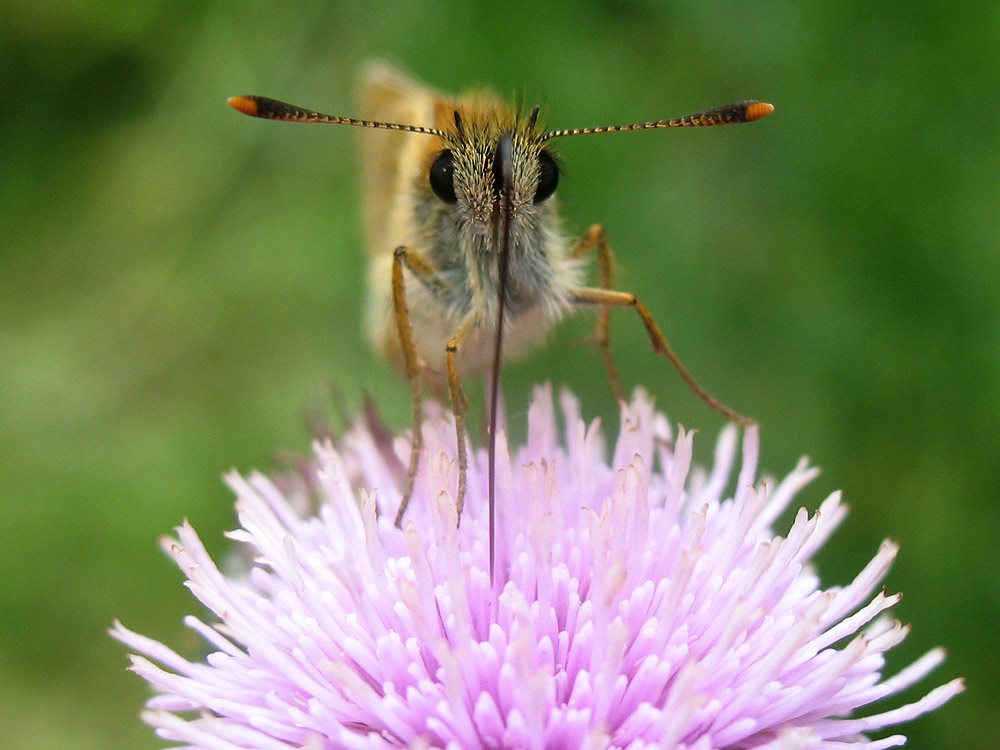
Small Skipper

White-letter Hairstreak

Red Kite blue/white E2


Brown Hawker