Monday, October 09, 2006

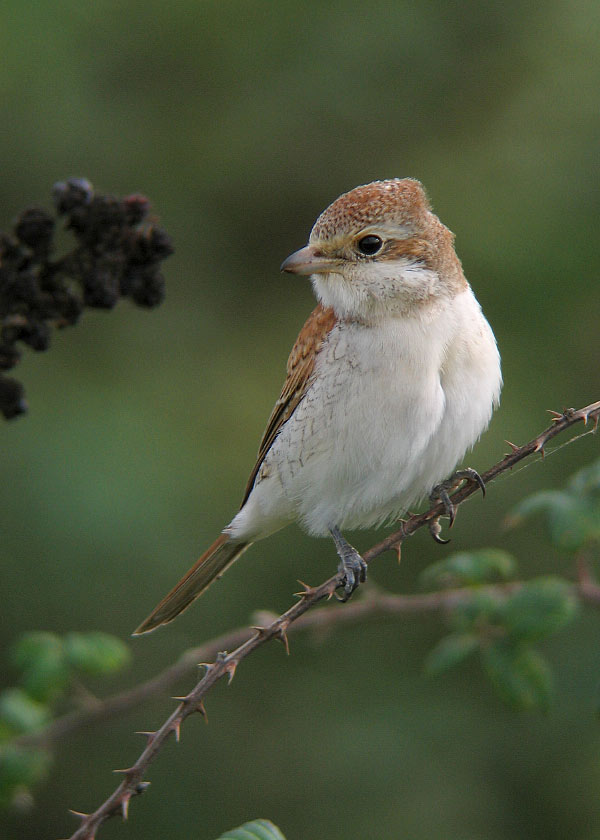
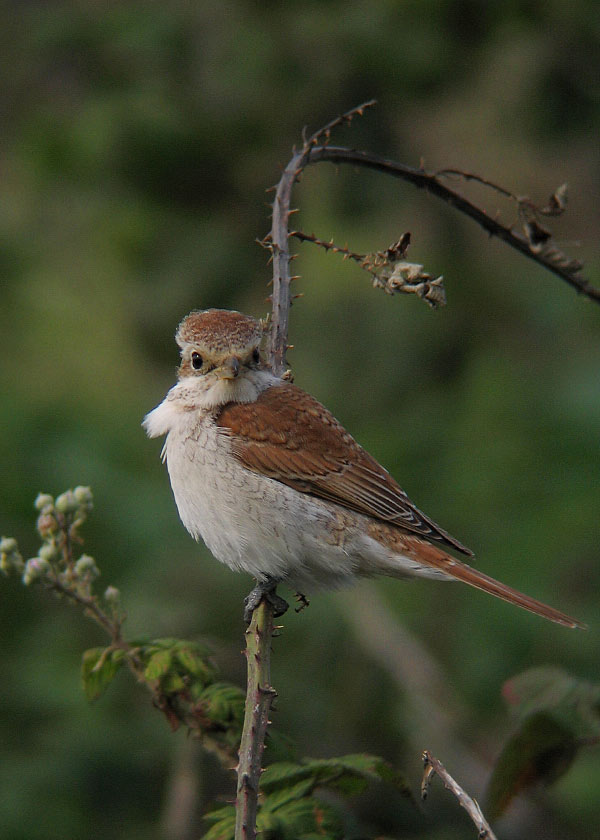
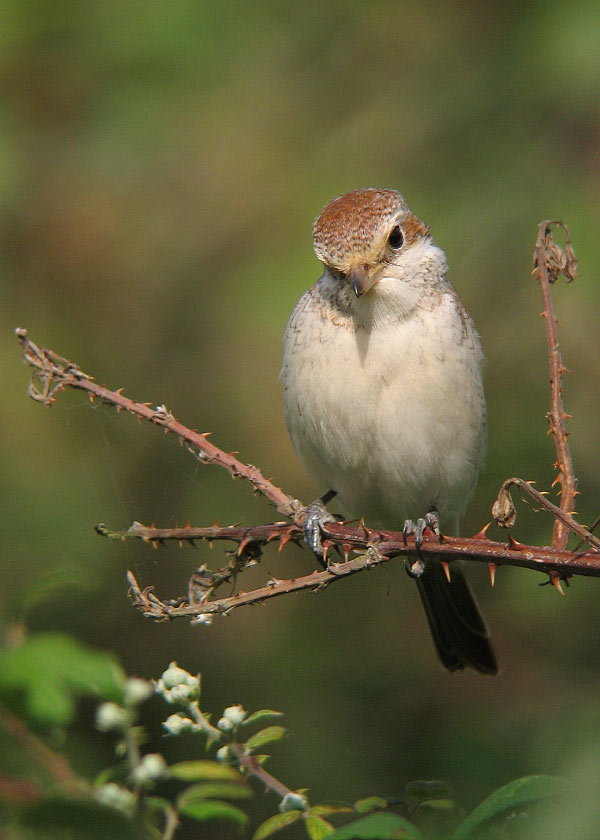
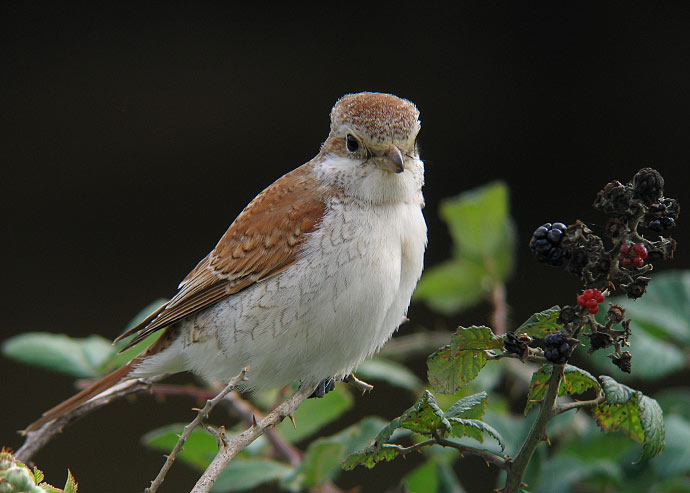
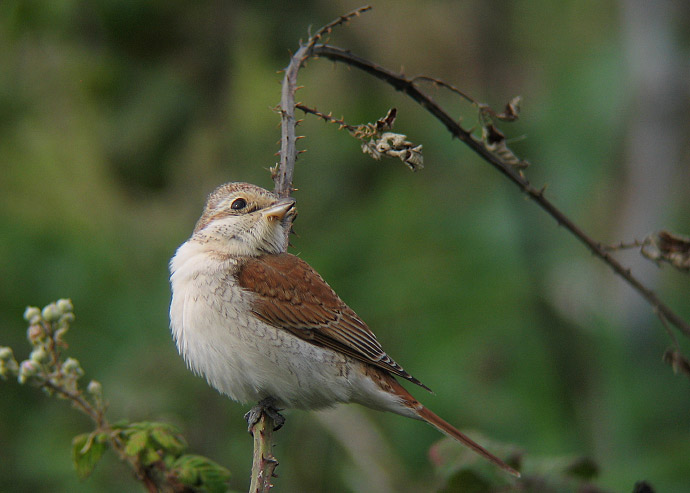
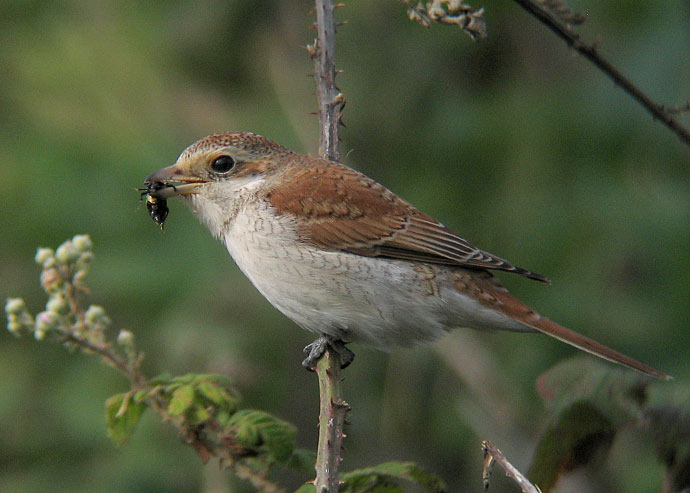
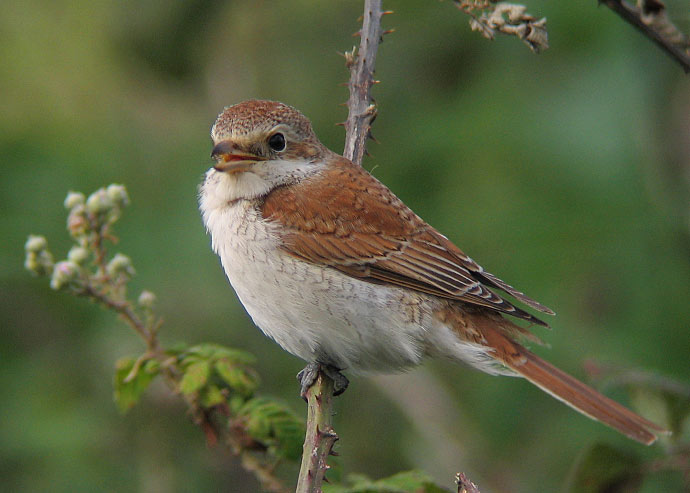
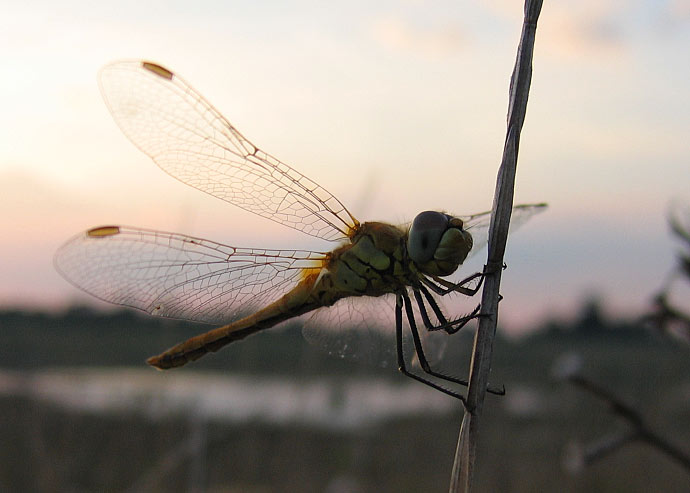
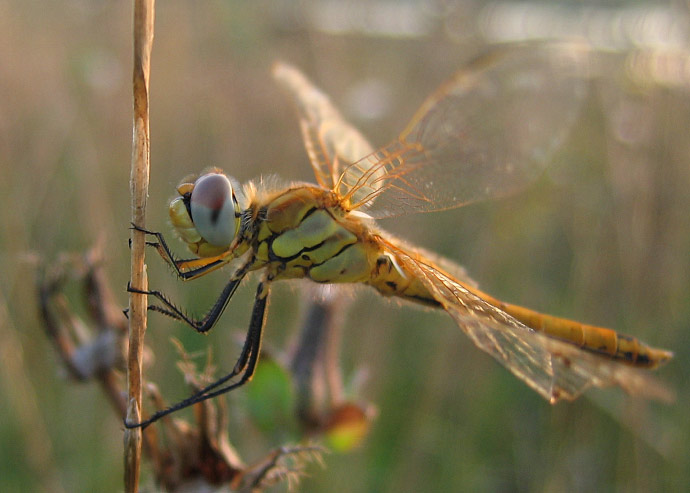
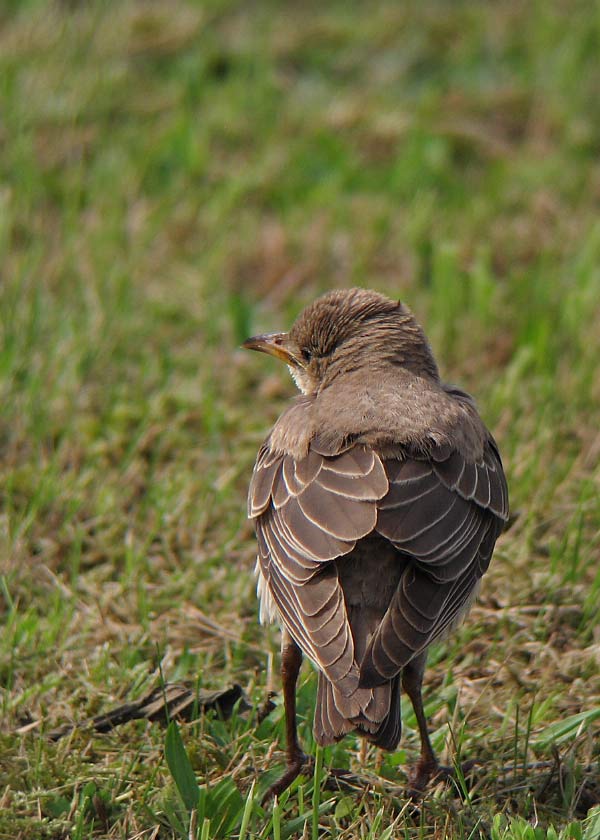
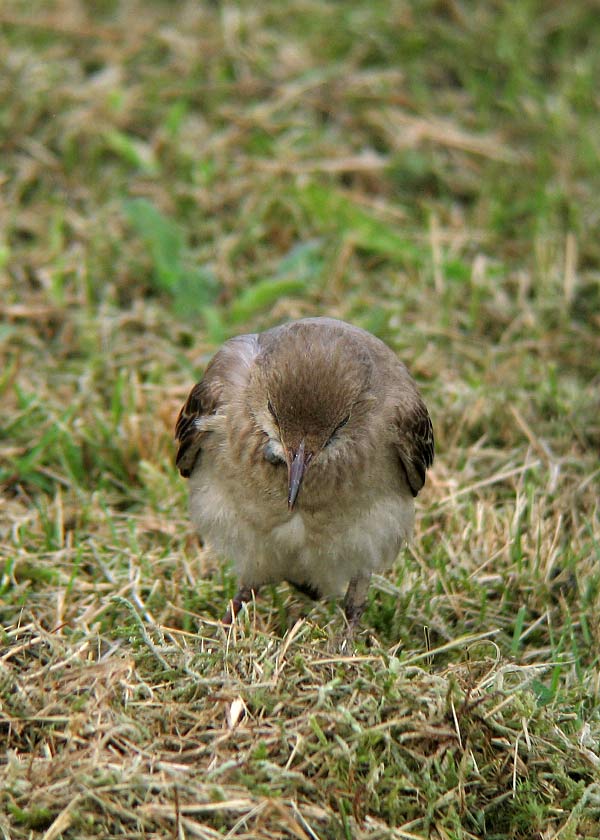
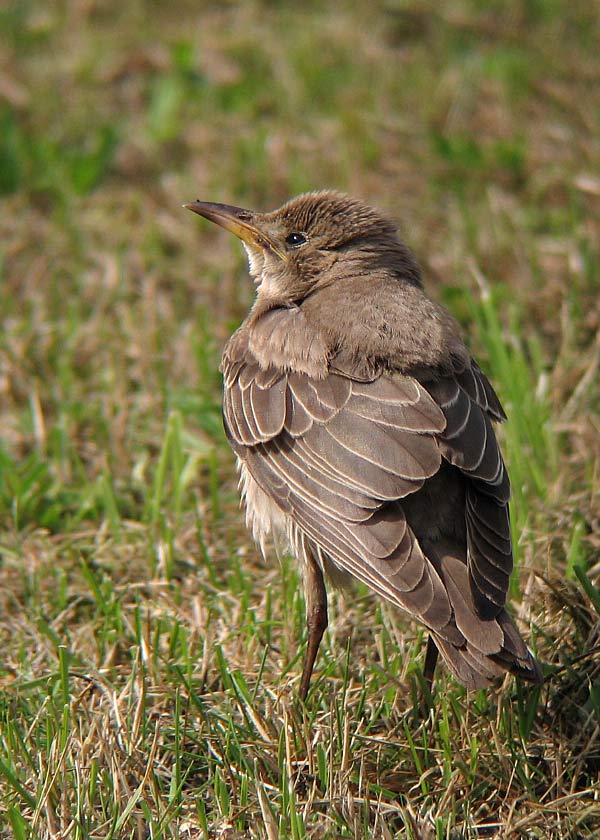
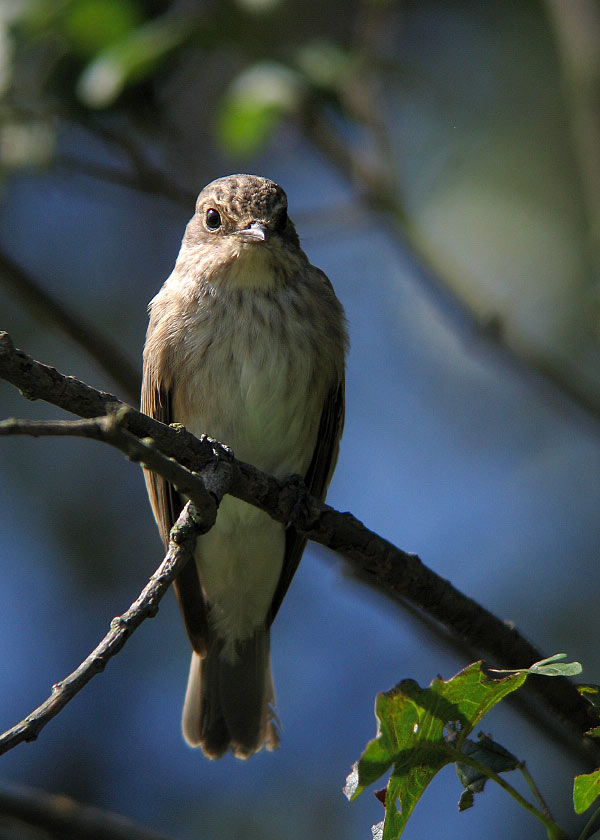
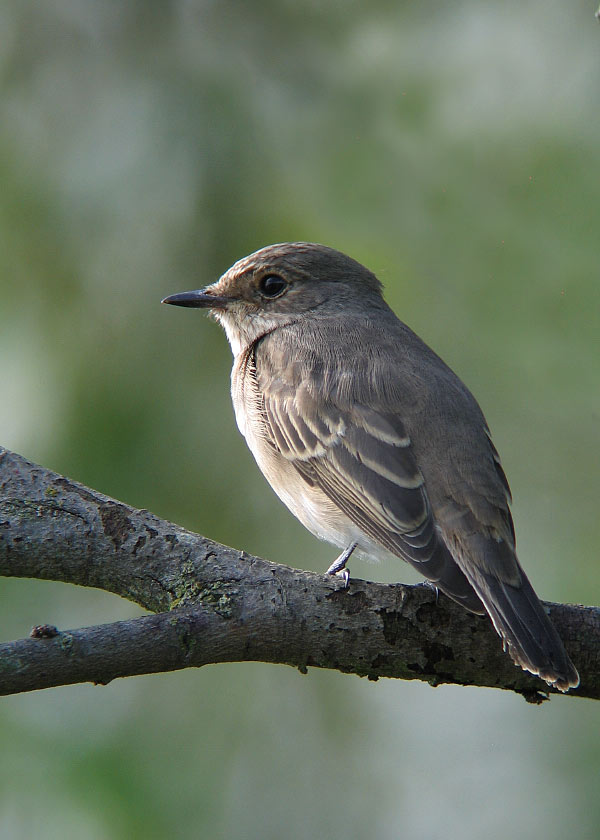
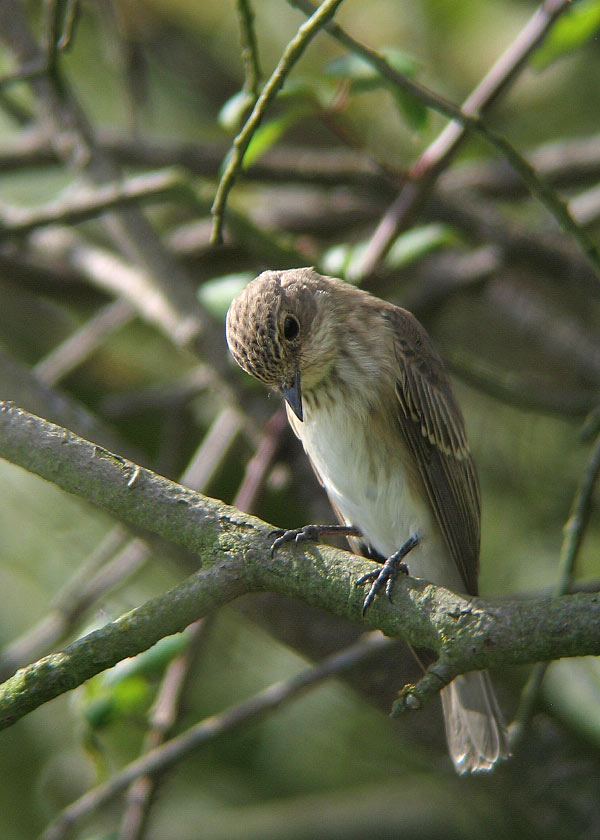
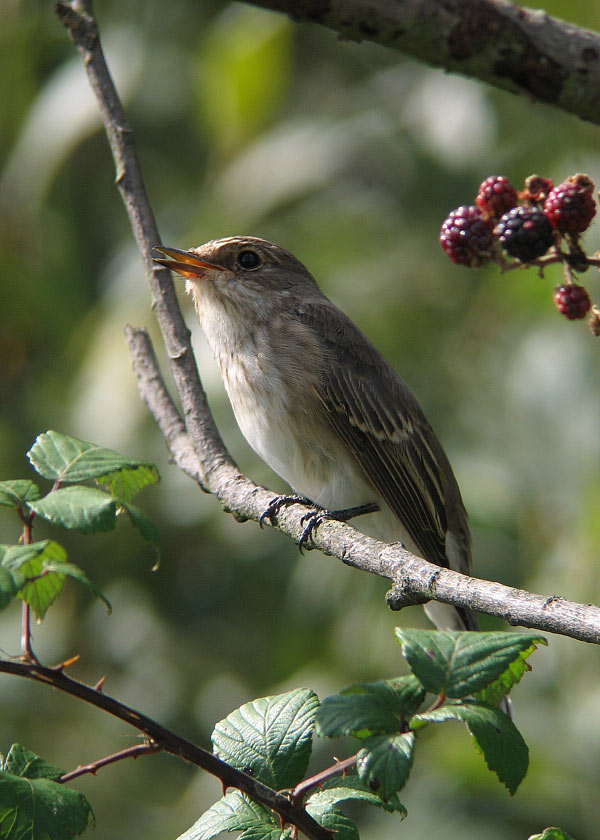
Red-backed Shrike gallery


This very obliging juvenile showed off to the crowds and me at Stiffkey Fen, Norfolk, 8.10.06.
Click each image for a big version.
Canon PowerShot A95 with Kowa TSN-823M + 32xW

Tuesday, October 03, 2006

Weedon's World


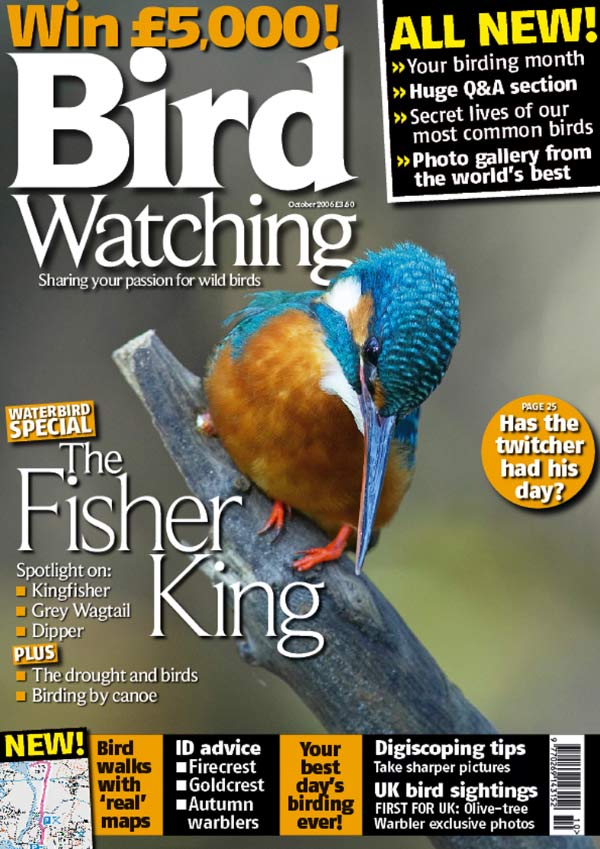
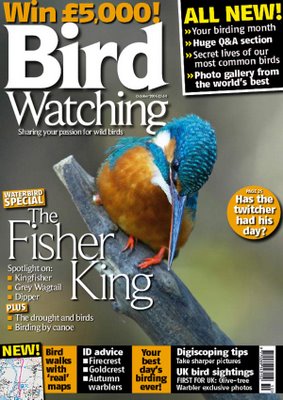
In the latest, new-look Bird Watching magazine (available now!), I have been given my own monthly column, called Weedon's World (well it is better than the Weedon Patch, if you know what I am saying). Here, in its entirety is October's copy, which is all about the Yellow Wagtails I was watching at Maxey pits in August. Want to see more of the mag (including horibble shots of my grinning face)? Buy it! Want to subscribe? try:
  • Bird Watching Mag subscriptions


  • Every year, I ride the ferry a few times between Portsmouth and Bilbao. Whales and dolphins are the main targets and highlights, and shearwaters and petrels a welcome bonus. But, on each trip, it is always the small birds which are the most amazing sight. Stuck out in the middle of the Bay of Biscay, hundreds of miles from land, tiddly perching birds pass you by or land on the ship.
    This is migration in action, tiny birds taking a mighty risk, crossing a mass of sea to get to where the weather is good and the food supply will get them through the winter. We birdwatchers all know that migration happens, but being in the middle of a watery wilderness, witnessing it first hand really brings it home. Warblers, pipits, swallows and wagtails dominate the passage.
    Riding the ocean waves gives you space to think: where do these gritty little birds end up? How many survive? Will they ever return north to breed in Britain? Many, such as the Yellow Wagtails, end up in sub-Saharan Africa. A friend who’d been birding in Ethiopia describes fields where literally thousands of Yellow Wagtails of every conceivable race gather and mix together, communicating with the ancient wagtail language of Babel (variations of ‘schweeep’), before they head off to their single-race breeding grounds.
    Among them are our birds, the largely British flavissima, the ‘most yellow’ Yellow Wagtails. In April, UK birders smile as they hear the first ‘schweeep’ of spring, heralding the Yellow Wagtails returning to their patch. They’re here for summer and vanish in autumn. We take them for granted.
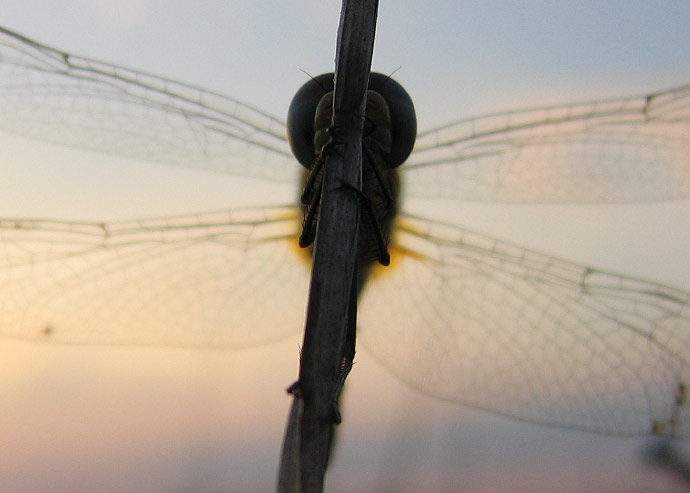
    In mid-August, I was doing just that, wandering around a local Cambridgeshire gravel pit looking for dragonflies and ignoring the Yellow Wagtails. That is until one came and landed on a bamboo stick a few yards from where I was standing, inviting a wee bit of digiscoping. It was an adult female, carrying in its bill a legless, wingless grasshopper and it seemed to want to come and feed its young – perhaps a second brood.
    The prey made for nice shots (above), but the bird’s legs were colour-ringed, which isn’t exactly aesthetically pleasing. When I got home, I thought about checking out the pattern of colour rings and reporting it. But, as I looked at the images, I also found that I could read a few of the numbers of the BTO metal ring: “8623”. Using the colour-rings and my bit of number, Guy Anderson of the RSPB identified my wagtail as P886234, a bird which was ringed as a chick in 2003, about eight miles from where it was now raising its own family.
    This bird, weighing perhaps 17g, and only 15cm from bill tip to tail tip, had flown thousands of miles to Africa three times and had flown back to the UK three times. If seeing the birds cross Biscay wasn’t enough of a wake-up call, this was a real slap-in-the-face and bucket-of-water in one. This flimsy little passerine was one tough bird.
    As you enjoy October’s passage, think about the death-defying madness of migration our millions of migrants will face – and wish them luck.

    ■ If you find a colour-ringed or colour-tagged bird, please report the details to the Euring website:
  • www.euring.org
  • Monday, October 02, 2006

    Pec upgrade 1.10.06


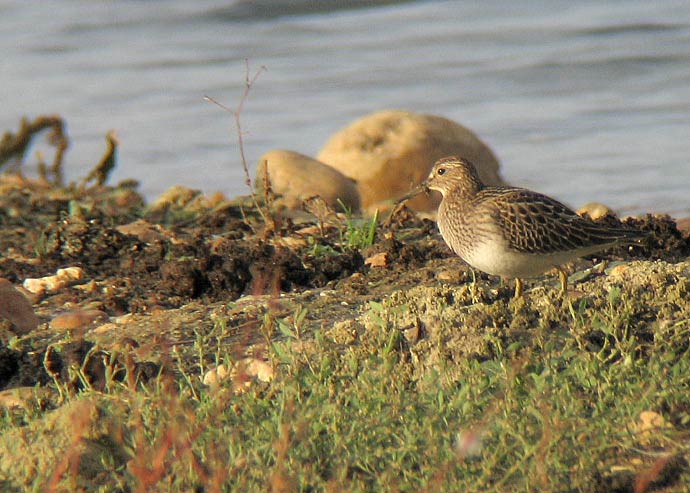
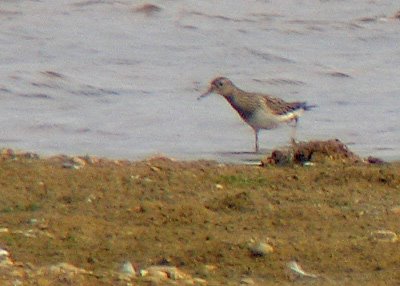
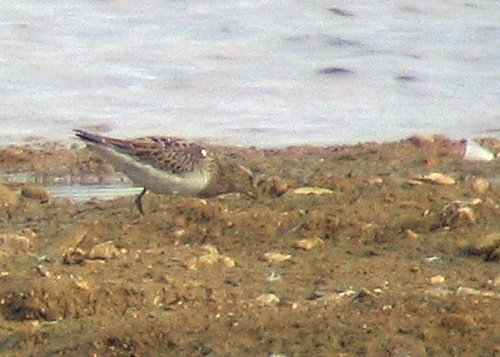
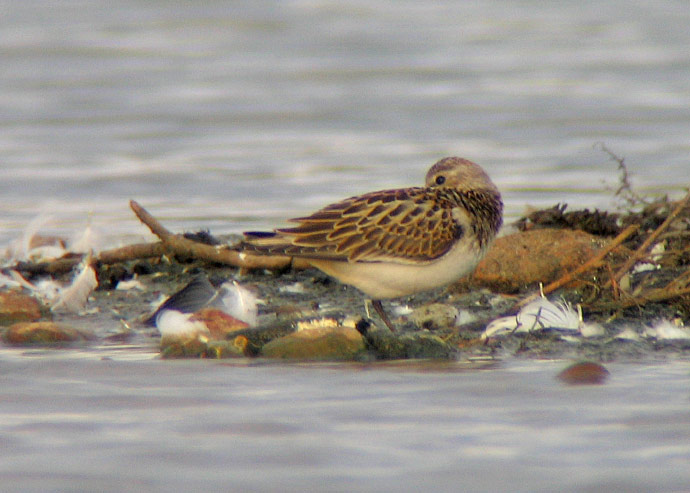
    Pectoral Sandpiper, Maxey Pits, 1.10.06. Click 'em for bigger versions.
    Canon PowerShot A95 with Kowa TSN-823M + 32xW

    Friday, September 29, 2006

    Pec 216

    Dontcha just hate it when top photographers talk about a 'record shot', and all you see is immaculate feather detail, and all salient features radiating with perfect sharpness?
    These are record shots!
    This Pectoral Sandpiper has been the first truly twitchable one in the Peterbrough area since I've been lieving in the PBC area (ie since 2000). Yes, I know they are ten-a-penny at Grafham and Paxton, but those are foreign climes to a hardcore PBCer. PBC tick number 216 for me. Well found Brian The Natural Stone!


    Pectoral Sandpiper, Maxey Pits, 29.9.06.
    Canon PowerShot A95 with Kowa TSN-823M + 32xW

    Wednesday, September 27, 2006

    Convolvulus


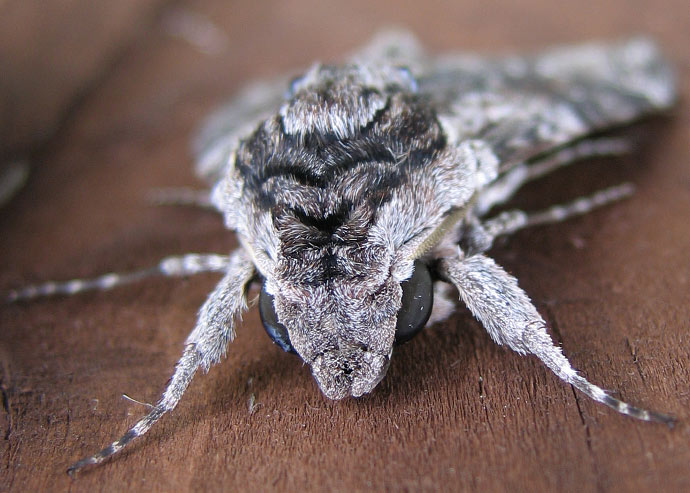
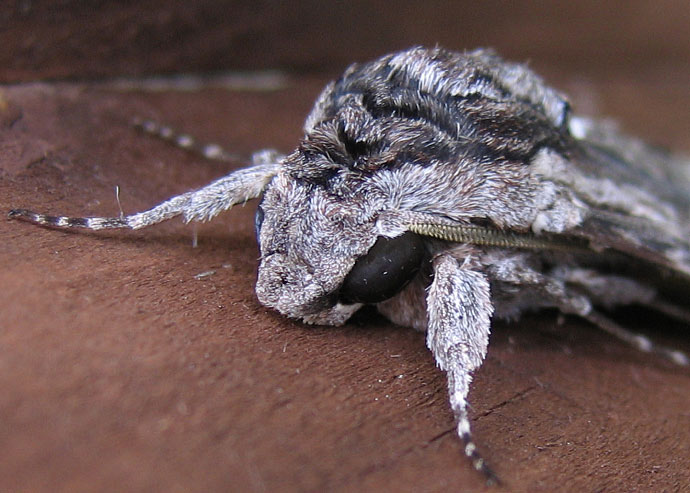
    Convolvulus Hawkmoth, Winterton, 24.9.06
    Canon PowerShot A95


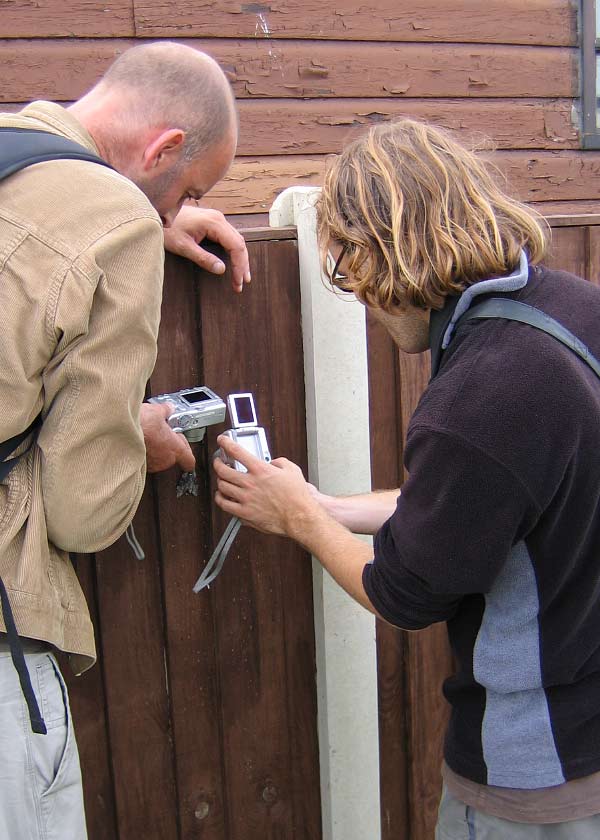
    Anonymous A95 Moth-bullies. Un...


    ...believable!

    Tuesday, September 26, 2006

    Mallard study


    Ferry Meadows, Cambs, 23.9.06.
    Canon PowerShot A95 with Kowa TSN-823M + 32xW

    Darter portfolio


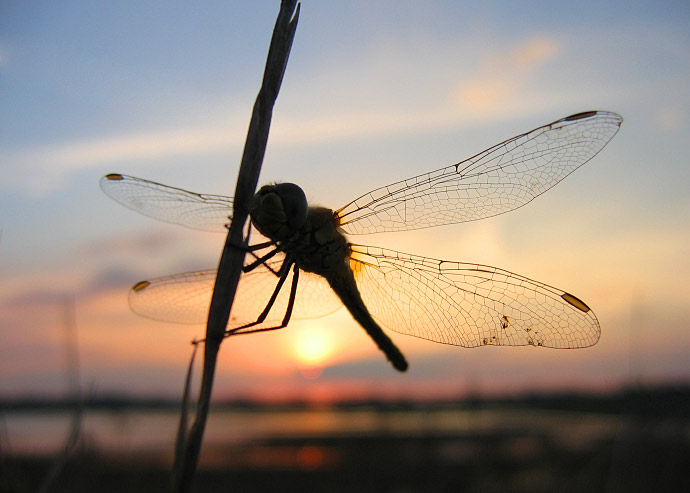
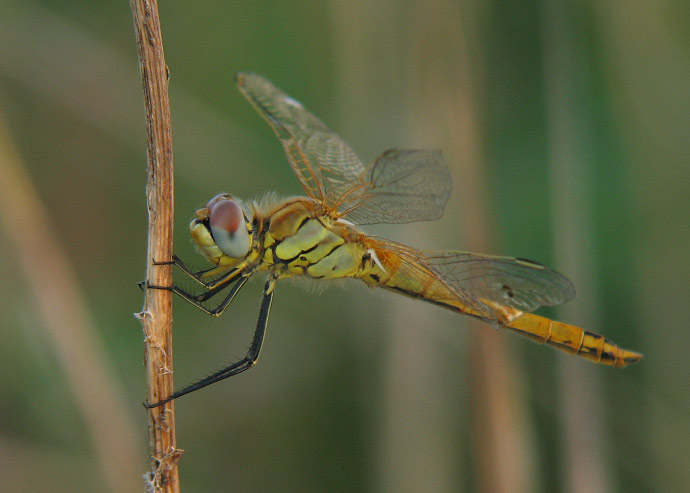
    Immature male Red-veined Darter, Maxey Pits, Cambs, 23.9.06.
    Canon PowerShot A95 (sometimes with Kowa TSN-823M + 32xW)

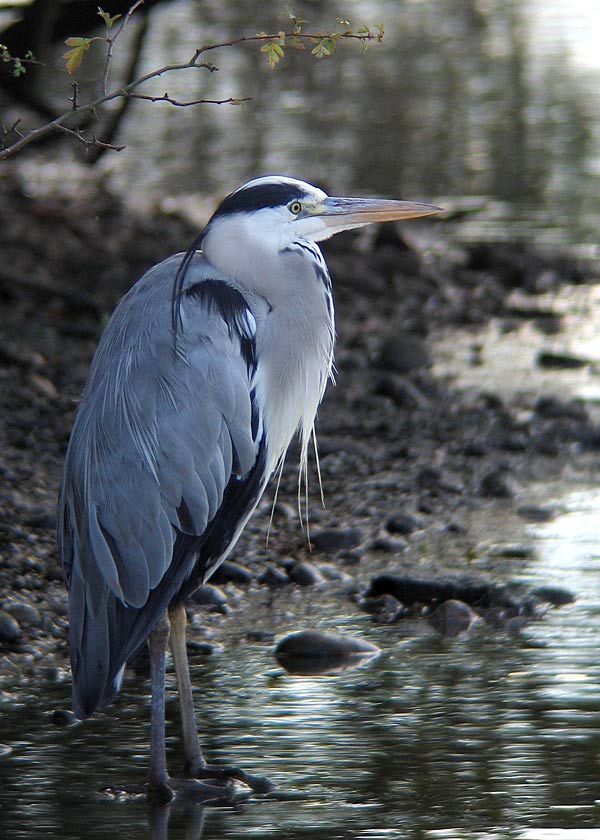
    Grey Heron


    Ferry Meadows, Cambs, 23.9.06.
    Canon PowerShot A95 with Kowa TSN-823M + 32xW

    Monday, September 25, 2006

    Chiffchaff


    Chiffchaff, Ferry Meadows CP, Peterborough, 23.9.06.
    Canon PowerShot A95 with Kowa TSN-823M + 32xW

    Ticketyboo


    I tagged along with Ray (ta muchly for the lift) and Will Bowell together with Kevin Durose to head to Norfolk yesterday (24.9.06) to pay homage to the superb juvenile Pallid Harrier at Winterton. While there, we popped over to see the juvenile Rosy Pastor by the dunes. It had already gathered a reputation as a manky bird, being complete with full-to-bursting ticks. Only one blood-fileld parasite was left by the time we saw it, and though not in the best of all possible health, the starling was still well enough to munch a few dozen craneflies and grasshoppers while we watched. It was typically bold and approached the gathering crowd of photographers waiting outside its chicken-wired 'enclosure', to a few feet. Showing well, as the cliché goes...
    I quote: "These are private houses, you can't just go where you want, and I told you only one of you could come through at a time. Go back where you came from and leave us in peace!"

    Click images for bigger ones.

    Canon PowerShot A95 with Kowa TSN-823M + 32xW

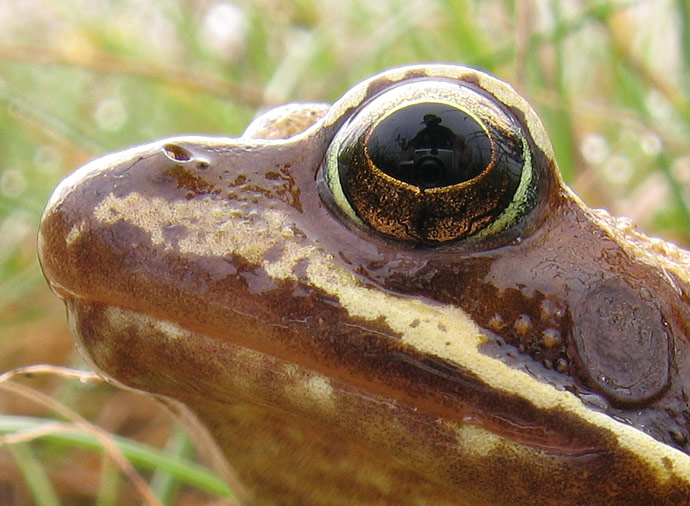
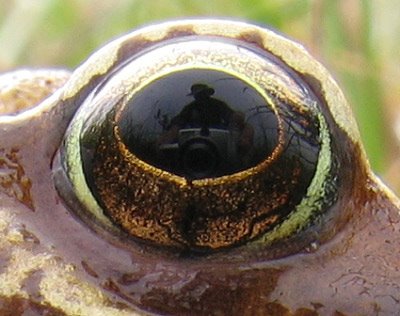
    Beauty is in the eye...

    ...of the beholder.


    This reflects the nightmares of frogs.
    Maxey pits, Cambs, 23.9.06.


    Frog with tiny snail.

    Tuesday, September 19, 2006

    Small pong


    Ferry Meadows CP, Peterborough, has been having a mini-purple patch in the last few days. Lingering from the weekend into yesterday were a juvenile Black Tern and a long-staying juvenile Arctic Tern (both on Gunwade lake), a first-winter Mediterranean Gull on Overton and Gunwade (plus a second-winter I found on Overton lake yesterday morning), and a juvenile Little Stint on one small edge of a little island on the smallest lake, Lynch. Last night (18.9.06), I tried to photograph this little sweety in very low light (using the Kevin Durose's patent elastic band technique). This is the result. Sweet dreams, Stinky.
    Canon PowerShot A95 with Kowa TSN-823M + 32xW

    Monday, September 18, 2006

    Red-backed Shrike


    I took a rare trip up to Norfolk with Will Bowell yesterday morning. Just as we were giving up finding anything great at Burnham Overy dunes, , and we were leaving (had to be back early in Peterborough), we had a quick scope scan for a Great Grey Shrike which had been there the previous day. It was there, so on a whim we dashed off for closer views. As we got nearer, a friendly birder pointed out that there was also a Red-backed Shrike present, and we could do a quick pan to see both shrike species. Great stuff. Here is the RBS – a juvenile.
    Canon PowerShot A95 with Kowa TSN-823M + 32xW

    Friday, September 15, 2006

    Red-veined Darter 2


    Close-up of female. Just don't ask how I digiscoped this!
    Canon PowerShot A95 with Kowa TSN-823M + 32xW

    Wednesday, September 13, 2006

    Red-veined Darter


    Red-veined Darter, Maxey pits, 12.9.06.
    Canon PowerShot A95 through someone else's scope...

    Monday, September 11, 2006

    Three close-ups


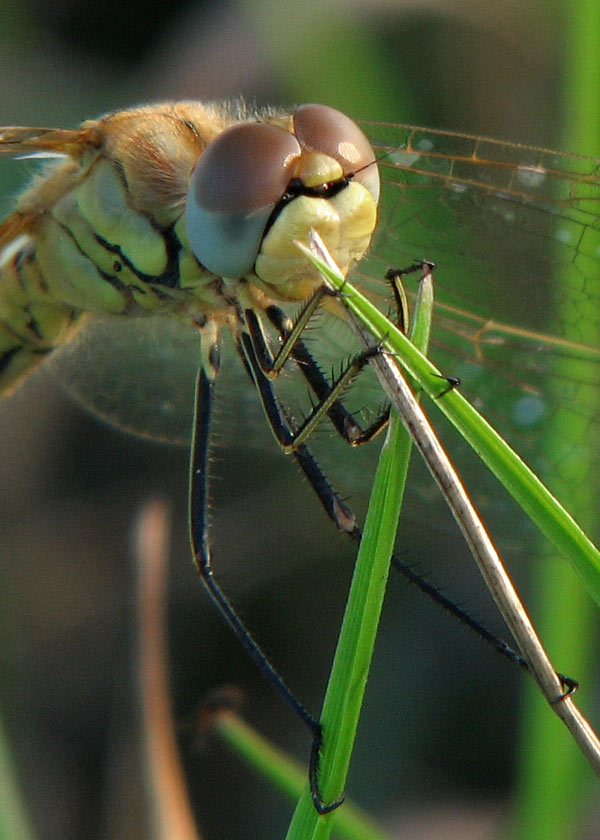
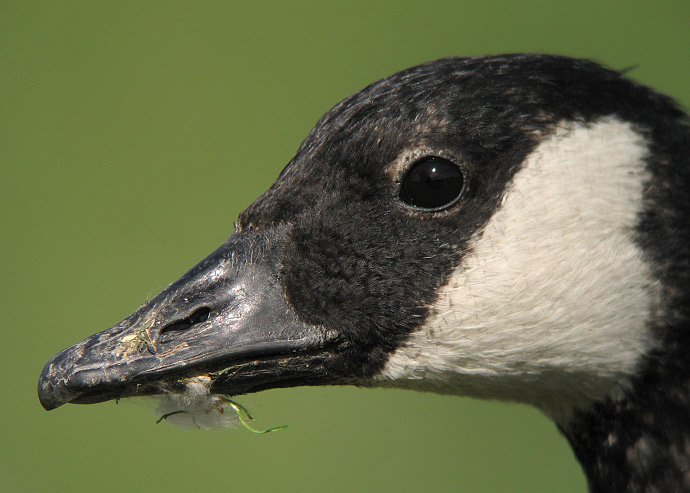
    Greylag, Canada and Blackhead, Ferry Meadows, 3.9.06.
    Canon PowerShot A95, Kowa TSN-823 + 32xWLER

    Wee stink


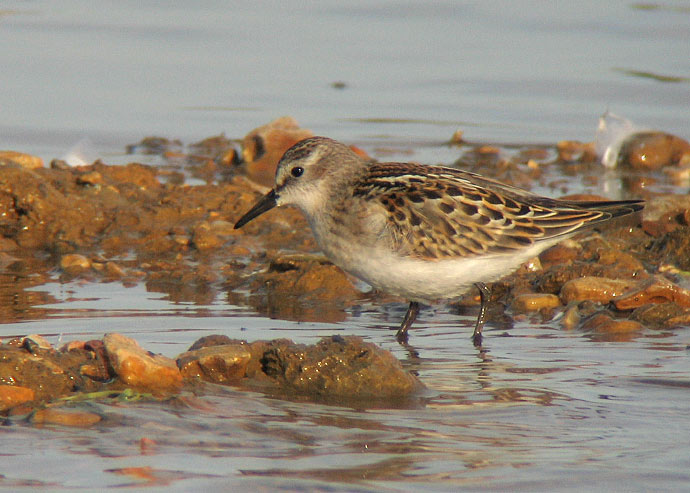
    Little Stint, Maxey Pits, Cambs, 9.9.06. Click 'em!
    Canon PowerShot A95, Kowa TSN-823 + 32xWLER

    Quatermass Martians


    The invasion is here, the pit was in my garden. They've arrived...
    Peterborough, Cambs, 11.9.06.
    Canon PowerShot A95

    Friday, September 08, 2006

    Spot Flys


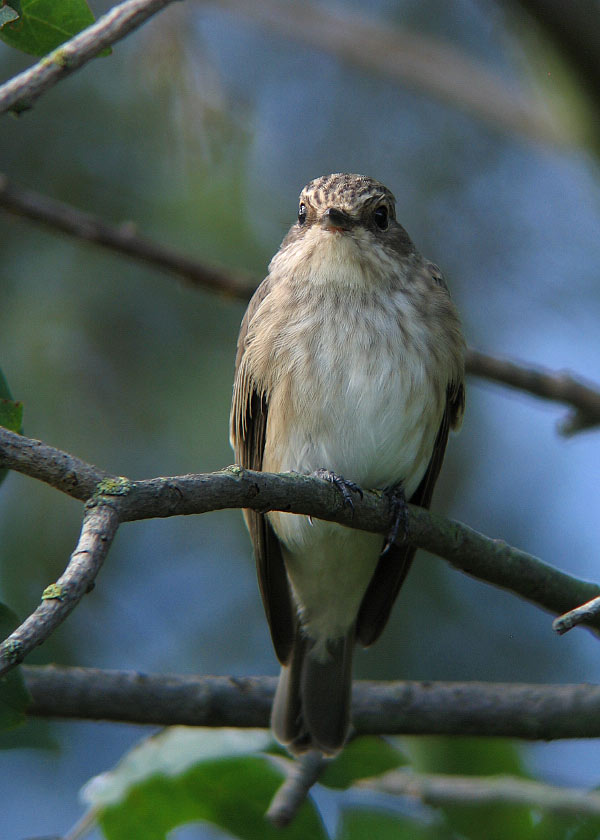
    Spotted Flycatchers, Ferry Meadows, Cambs, 3.9.06.
    Canon PowerShot A95, Kowa TSN-823 + 32xWLER

    Images from Biscay


    Blackcap (male). Pride of Bilbao, 5.9.06

    Whinchat, Santurtzi, Spain, 6.9.06

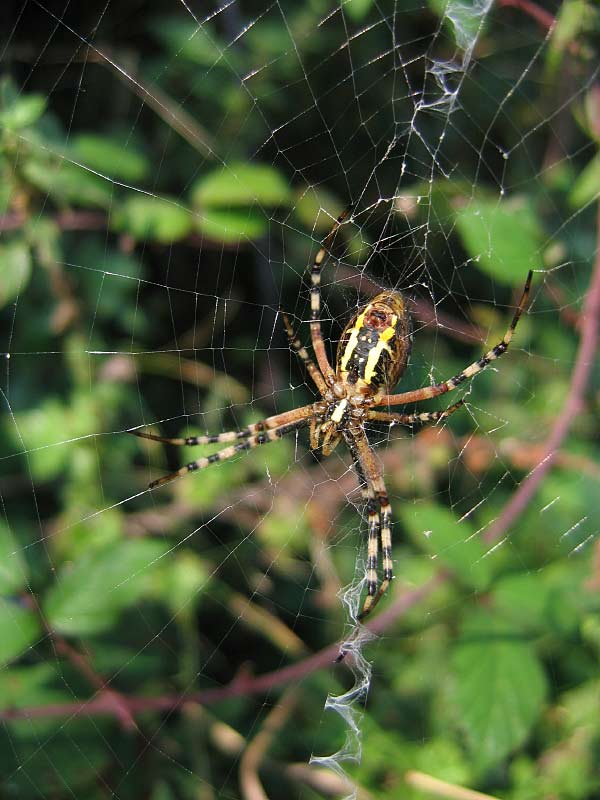
    Wasp Spider, Spain, 6.9.06

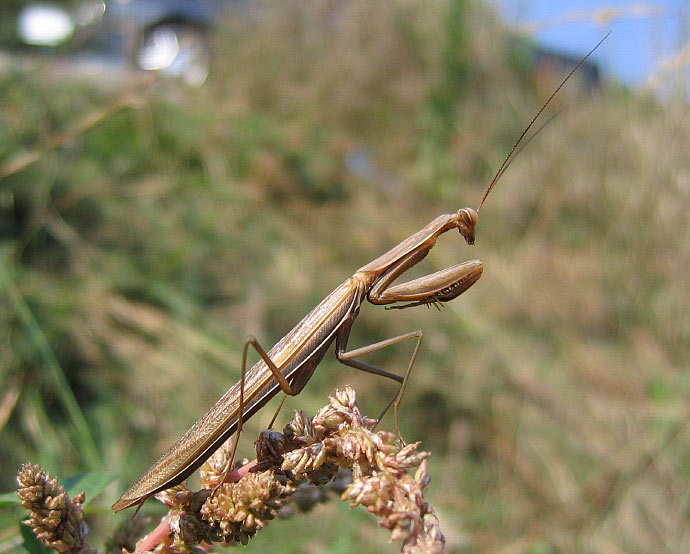
    Mantis, Santurtzi, Spain, 6.9.06

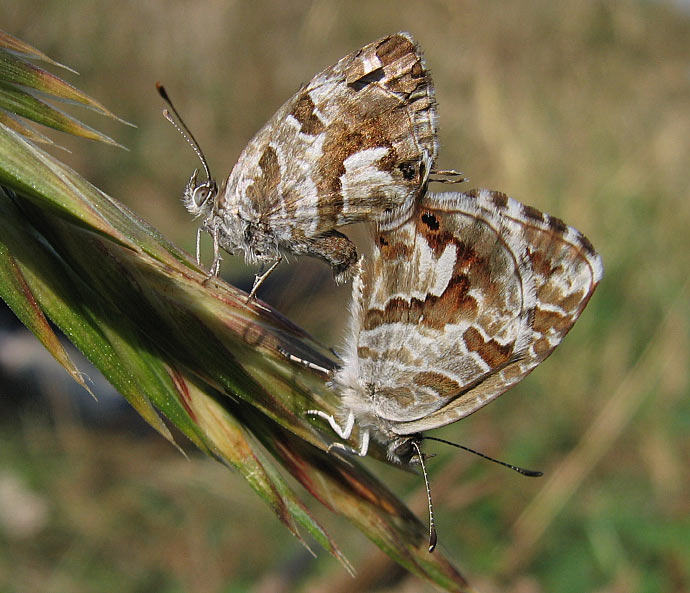
    Geranium Bronze, Santurtzi, Spain, 6.9.06
    Canon PowerShot A95, Kowa TSN-823 + 32xWLER